Georgia's New AI Could Save Its Rarest Cattle Breeds
Amanda Williams ·
Listen to this article~4 min
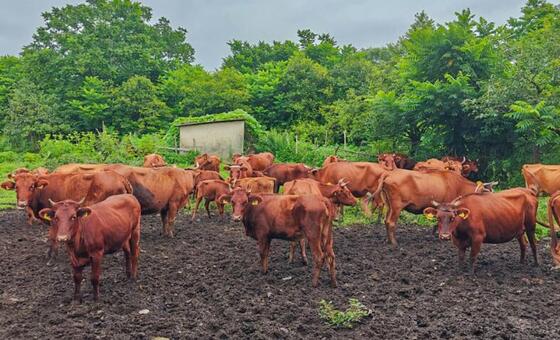
Georgia is using AI to recognize and preserve native cattle breeds, protecting genetic diversity that could shape the future of farming worldwide. Here's how it works and why it matters.
When you think about cutting-edge technology, cattle farming probably isn't the first thing that comes to mind. But in the country of Georgia, something fascinating is happening at the intersection of artificial intelligence and agriculture. Local cattle breeds—some of them centuries old—are now part of a digital project that could change how we preserve genetic diversity on farms worldwide.
The idea is simple yet powerful: use AI to recognize and track native cattle breeds, giving researchers and farmers a tool to protect livestock that might otherwise disappear. It's the kind of project that sounds niche at first, but the implications ripple far beyond one country's pastures.
### Why Genetic Diversity in Cattle Matters
Here's the thing about livestock genetics: once a breed is gone, it's gone for good. That's not just a loss for historians or animal lovers—it's a practical problem. Different breeds carry unique traits, like resistance to specific diseases or the ability to thrive in harsh climates. When we lose those traits, we lose options for the future.
Georgia's native cattle are particularly interesting because they've adapted to the country's varied landscape over centuries. From the humid Black Sea coast to the dry, mountainous interior, these animals have developed resilience that commercial breeds often lack. That's a genetic treasure chest, and AI could help keep it locked and safe.
### How the AI System Actually Works
The project uses image recognition technology to identify individual animals and their breeds. Think of it like facial recognition, but for cows. Farmers or researchers snap a photo, and the system analyzes physical markers—coat color, horn shape, body proportions—to determine the breed with impressive accuracy.
This matters for a few reasons:
- **Tracking purity:** When breeds mix unintentionally, it dilutes the genetic pool. AI helps identify purebred animals worth protecting.
- **Building databases:** Every recognized animal adds to a growing digital record of Georgia's cattle population.
- **Guiding breeding decisions:** With better data, farmers can make smarter choices about which animals to breed together.
The system is still in its early stages, but the potential is enormous. If it works in Georgia, similar models could be adapted for other countries facing their own livestock conservation challenges.
### The Bigger Picture: Tech Meets Tradition
There's something poetic about using state-of-the-art AI to protect animals that have been part of Georgian rural life for generations. It's a reminder that technology doesn't always have to mean moving forward—sometimes, it means preserving what we already have.
For American readers, this project offers a glimpse into how other nations approach agricultural sustainability. We've got our own heritage breeds here in the United States, from Texas Longhorns to Florida Cracker cattle, and they face similar pressures. The tools being developed in Georgia today could easily find a home on American farms tomorrow.
### What This Means for Conservation Efforts
Conservation isn't just about pandas and rainforests. Agriculture is the backbone of human civilization, and protecting its diversity is protecting our own future. Projects like this one show that with a little creativity, we can use modern tools to solve ancient problems.
It also highlights something important: the people closest to the land often know best what needs protecting. The Georgian researchers behind this initiative aren't just tech enthusiasts—they're people who understand the value of what's at stake. That combination of local knowledge and cutting-edge technology is powerful.
As the project develops, it'll be worth watching. If AI can help keep Georgia's native cattle breeds thriving, it might just inspire similar efforts around the globe. And that's a future worth getting excited about—even if you've never thought twice about cows before.