Georgia's New AI Could Save Its Vanishing Cattle Breeds
Amanda Moore ·
Listen to this article~4 min
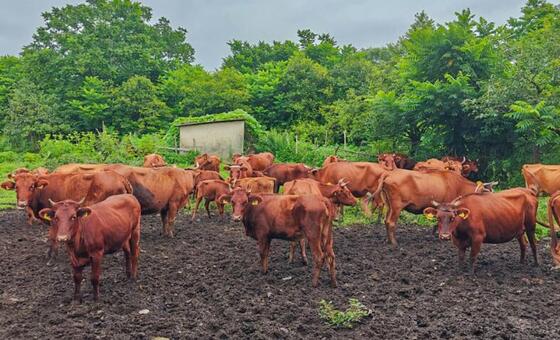
Georgia is using AI to identify and protect its native cattle breeds, safeguarding genetic diversity that could be crucial for future agriculture.
When you think about cutting-edge technology, cattle farming in the Caucasus probably isn't the first thing that comes to mind. But Georgia is quietly doing something pretty remarkable. The country has launched a digital project that uses artificial intelligence to recognize its native cattle breeds. And honestly, it's not just about cows. It's about protecting a piece of living history before it disappears.
Georgia sits at a crossroads between Europe and Asia, and its livestock have evolved over centuries to thrive in some seriously tough mountain terrain. These aren't your average Holsteins. Local breeds like the Georgian Mountain cattle are hardy, disease-resistant, and perfectly adapted to high altitudes and harsh winters. They're a genetic treasure trove, and now the country is using AI to make sure they don't vanish.
### Why This Matters More Than You Think
Here's the thing about genetic diversity: once it's gone, it's gone forever. Modern industrial farming has pushed many farmers toward a handful of high-yield breeds, which means local varieties are being pushed to the brink. That's a huge risk. If a disease hits those uniform herds, the consequences could be catastrophic. Native breeds often carry unique genes that could be the key to future resilience.
This AI system is designed to identify and track these local breeds with just a photo. Think of it like facial recognition, but for cows. Farmers can snap a picture, and the system tells them exactly what breed they're looking at. That data then feeds into a larger database, giving researchers a real-time map of where these animals are and how their populations are shifting.
### How the System Actually Works
The technology relies on machine learning algorithms trained on thousands of images of Georgian cattle. The more photos it processes, the smarter it gets. It can pick up on subtle differences in coat color, horn shape, and body structure that the human eye might miss. Over time, this creates a detailed digital archive of the country's bovine population.
- **Instant identification**: Farmers get immediate breed confirmation from a simple photo.
- **Population tracking**: Researchers can monitor herd numbers and spot declining breeds early.
- **Data sharing**: The database can be accessed by agricultural agencies and conservation groups.
- **Breeding support**: Helps match animals for breeding programs that prioritize genetic diversity.
### The Bigger Picture for Conservation
This isn't just a tech demo. It's a practical tool for conservation. In the United States, we've seen similar efforts with heritage breeds like the Texas Longhorn or the Milking Devon. These breeds aren't just sentimental; they're a living library of genetic traits that could help us adapt to climate change, new diseases, and shifting market demands.
Georgia's approach could serve as a model for other countries with unique livestock populations. Instead of relying on expensive DNA testing for every single animal, a photo-based AI system is fast, affordable, and accessible to everyday farmers. That's a game-changer, especially in rural areas where resources are limited.
### What This Means for the Future
Right now, the project is still in its early stages, but the potential is enormous. If successful, it could be expanded to other livestock species like sheep, goats, and even horses. It could also be adapted for use in other countries facing similar conservation challenges.
For now, the focus is on building a solid database and getting the technology into the hands of Georgian farmers. The goal is simple: make sure these ancient breeds aren't just a memory. And if AI can help with that, then maybe there's hope for preserving biodiversity in agriculture everywhere.
It's a reminder that technology doesn't have to be flashy to be meaningful. Sometimes, the most important innovations are the ones that help us hold on to what we already have.