Georgia's Bold AI Project Could Save Its Rare Cattle Breeds
James Williams ·
Listen to this article~4 min
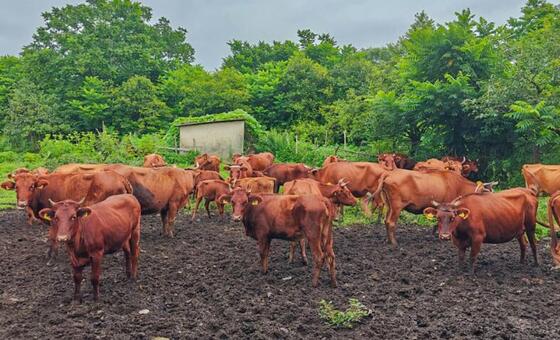
Georgia is using AI to identify and preserve its native cattle breeds, protecting genetic diversity that could be key to future farming resilience. Here's why it matters.
When you think about cutting-edge technology, cattle probably isn't the first thing that comes to mind. But in the country of Georgia, something fascinating is happening. Local cattle breeds are being pulled into the digital age, and it's not just about keeping up with trends. It's about survival.
Georgia is home to some incredibly unique livestock breeds that have adapted to its rugged terrain and tough climate over centuries. These animals aren't just farm animals; they're living pieces of history, carrying genetic traits that could prove invaluable for future agriculture. The problem? They're disappearing, and fast. Modern farming practices favor a handful of high-output commercial breeds, and local varieties are getting pushed to the brink.
### What's Actually Happening?
A new digital project is stepping in to change that trajectory. The core idea is simple yet powerful: use artificial intelligence to recognize and catalog these native cattle breeds. By building a comprehensive digital database, researchers hope to track populations, understand genetic diversity, and ultimately create a roadmap for conservation.
The project aims to do more than just count heads. It's about preserving a genetic library that could hold the keys to disease resistance, drought tolerance, and other traits that might become crucial as our climate shifts. Think of it as an insurance policy for the future of farming, not just in Georgia, but potentially for the broader agricultural community.
### Why Should You Care?
You might be wondering why this matters if you're not a farmer or a geneticist. Here's the thing: when we lose a breed, we lose options. Every time a local cattle breed goes extinct, we permanently lose a set of genes that might have helped us tackle a future crisis, whether that's a new disease or a changing environment. It's like burning a book before you've had a chance to read it.
- **Genetic diversity** is the foundation of resilient food systems.
- **Local breeds** often require fewer resources and are better adapted to their environments.
- **AI technology** can accelerate research that would take humans decades to complete.
The use of AI here is particularly clever. Instead of relying on manual identification, which is time-consuming and prone to error, the system can learn to recognize specific breeds from photos and other data points. This means faster, more accurate tracking, which leads to better-informed conservation strategies.
### The Bigger Picture
This initiative is a reminder that technology and tradition don't have to be at odds. In fact, they can work beautifully together. By using modern AI tools, Georgia is finding a way to honor its agricultural heritage while building a smarter, more secure future. It's a model that other countries with endangered local breeds could easily follow.
Of course, this is just the beginning. The project will need time, funding, and cooperation from local farmers to succeed. But the potential payoff is enormous. We're talking about safeguarding a natural resource that can't be recreated once it's gone.
### What's Next?
As the system gets built out, we'll likely see more data on which breeds are most at risk and what specific actions are needed to help them bounce back. There's also hope that this could open doors for sustainable farming practices that benefit both the environment and local economies.
For now, it's an exciting development worth watching. It shows that with a little creativity and a lot of determination, we can find new ways to protect the things that matter most. And sometimes, that means looking at age-old traditions through a brand-new digital lens.
This is one of those stories where you can't help but root for the underdog, or in this case, the under-cow. It's a small project with potentially massive implications, and it's happening right now in the heart of the Caucasus. Keep an eye on this one.