Georgia's New AI Project Could Save Its Rare Cattle Breeds
Prof. Dr. Klaus Müller ·
Listen to this article~5 min
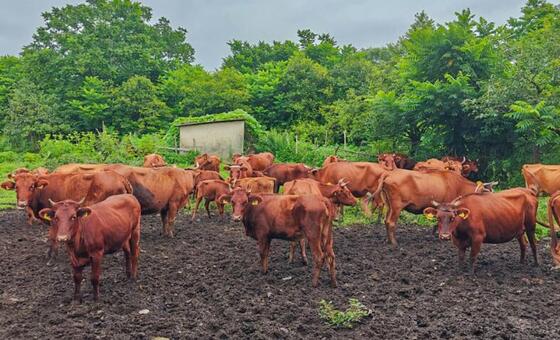
Georgia is using AI to identify and preserve its native cattle breeds, protecting genetic diversity that could prove vital for the future of farming.
When you think about cutting-edge technology, Georgia probably isn't the first place that comes to mind. But this small country in the Caucasus is quietly doing something pretty remarkable. They're building an AI system designed to recognize local cattle breeds by sight. And honestly, it's a bigger deal than it might sound at first.
Here's the thing: Georgian cattle aren't just livestock. They're living pieces of history. These breeds have adapted to the region's tough mountain terrain over centuries, developing traits you won't find in your average commercial herd. But in recent decades, many of these native breeds have been disappearing. Crossbreeding and the push toward more productive, standardized cattle have pushed them to the edge.
### Why Does Cattle Diversity Matter Anyway?
You might be thinking, "Okay, but why should I care about some cows in a country halfway around the world?" Fair question. Here's the short answer: genetic diversity is like an insurance policy for our food supply. When you have a narrow genetic pool, a single disease or climate shift can wipe out entire herds. That's not just a problem for Georgia—it's a problem for everyone.
Native breeds often carry genes for disease resistance, hardiness, and the ability to thrive on poor forage. These are traits we might need someday, especially as the planet warms and farming conditions change. Losing them would be like burning a library of biological solutions we haven't even read yet.
### How the AI System Works
The project is still in its early stages, but the concept is straightforward. Researchers are using machine learning to train a system on thousands of images of Georgian cattle. The AI learns to identify specific breeds based on physical characteristics like coat color, horn shape, and body structure.
Think of it like facial recognition software, but for cows. Once the system is working, it could help farmers and researchers track purebred animals more easily. That's crucial for breeding programs aimed at preserving these genetics.
- **Visual identification**: The AI can spot a native breed even when the animal is a crossbreed with subtle traits.
- **Data collection**: Every identified animal adds to a growing database of genetic information.
- **Conservation planning**: With better data, authorities can make smarter decisions about which herds to protect.
### The Bigger Picture for Agriculture
This isn't just about saving a few cows. It's about building a digital infrastructure for conservation. If the system works in Georgia, it could be adapted for other countries facing similar challenges. Imagine a global network where endangered livestock breeds are tracked and protected using AI. That's the kind of future this project hints at.
Of course, there are hurdles. Training an AI to recognize subtle breed differences takes time and a lot of quality data. And rural farms in Georgia don't always have reliable internet or the technical know-how to use such tools. But the team behind the project seems committed to working through those issues.
### A Personal Take
I've spent years studying how human dynamics shape our world, but agriculture is where those dynamics meet survival. The choices we make about what to preserve—and what to let fade away—say a lot about who we are as a society. This project is a reminder that sometimes the most forward-thinking technology is used for the most traditional purposes: keeping alive what our ancestors built.
It's easy to get caught up in the latest gadgets and apps. But this AI system is different. It's not about convenience or entertainment. It's about responsibility. It's about saying that the genetic wealth of a small country matters, even when the rest of the world isn't watching.
> "Preserving genetic diversity isn't just about the past—it's about giving future generations the tools they need to adapt."
The project is a testament to what happens when technology meets tradition. It's slow, it's meticulous, and it's absolutely worth paying attention to. Because sometimes the most important innovations are the quiet ones happening far from the spotlight.
If you're in the agricultural sector or just someone who cares about where your food comes from, this is a story worth following. It might not make headlines, but it could shape the future of farming in ways we can't fully predict yet.