Georgia's New AI Project Could Save Its Rare Cattle Breeds
William Smith ·
Listen to this article~4 min
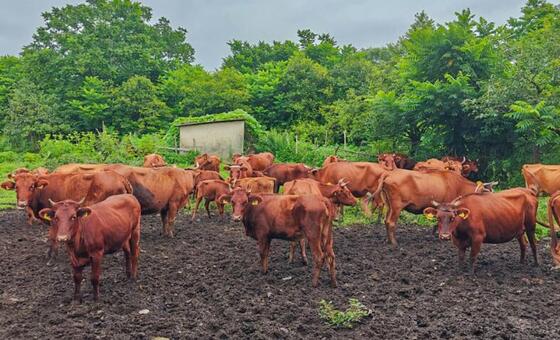
Georgia is using AI to identify and protect its local cattle breeds, preserving genetic diversity that could be key to future food security.
When you think about cutting-edge technology, cattle farming probably isn't the first thing that comes to mind. But in the country of Georgia, a fascinating digital project is merging artificial intelligence with traditional livestock conservation. The goal? To protect the genetic diversity of local cattle breeds before they disappear entirely.
It's easy to overlook why this matters. But here's the thing: local livestock breeds are more than just farm animals. They're living libraries of genetic traits that have adapted to specific climates, diseases, and terrains over centuries. Lose them, and we lose options for future food security.
### Why Genetic Diversity in Cattle Matters
Think of it like a savings account for agriculture. When you have a wide variety of breeds, you have a buffer against unexpected challenges like new diseases, changing weather patterns, or shifting market demands. A single breed might be great for milk production, but another might be resistant to a parasite that's becoming more common as temperatures rise.
The United States has seen its own share of breed declines. Heritage breeds like the Milking Devon or the Randall Lineback nearly vanished before conservation efforts stepped in. Georgia is trying to avoid that kind of crisis before it starts.
### How the AI System Works
The project uses image recognition technology to identify and catalog local cattle breeds. Farmers or researchers can snap a photo of a cow, and the AI system analyzes physical characteristics to determine the breed. It's like a facial recognition system, but for cows.
This might sound simple, but it's actually a clever solution to a real problem. Many Georgian farmers don't have formal records of their livestock's lineage. The AI system provides a way to build a database without requiring expensive genetic testing for every single animal.
### The Bigger Picture for Conservation
This isn't just about keeping a list. The data collected will help researchers understand which breeds are thriving and which ones are at risk. That information can guide breeding programs and conservation strategies.
Here's what makes this approach smart:
- It's non-invasive. No need to draw blood or tag every animal.
- It's scalable. Once the system is trained, it can process thousands of images quickly.
- It's practical. Farmers can use it with just a smartphone.
### What This Means for the Future
Georgia isn't alone in this effort. Countries around the world are waking up to the importance of preserving agricultural biodiversity. The Food and Agriculture Organization estimates that around 26% of livestock breeds globally are at risk of extinction. That's a staggering number when you consider how much we rely on these animals for food, fiber, and labor.
The AI approach could become a model for other nations with limited resources but rich biodiversity. It proves that you don't need a massive budget or a high-tech laboratory to make a difference. Sometimes, all you need is a smart idea and the willingness to use the tools you already have.
### A Personal Take
I've spent years analyzing trends in agriculture and technology, and this project stands out. It's not flashy or headline-grabbing, but it addresses a fundamental issue that will affect food security for generations. The quiet, practical innovations often do the most good.
For American readers, this might feel distant. But consider this: the next time you enjoy a burger or a glass of milk, the cattle behind that product come from a genetic pool that's shrinking. Projects like this one in Georgia are working to ensure that pool doesn't run dry. That's something worth paying attention to, no matter where you live.
As the system develops and more data comes in, we'll likely see a clearer picture of what's at stake. For now, it's encouraging to see technology being used not for profit or convenience, but for preservation. That's a trend we could all get behind.