Georgia's New AI Tool Could Save Its Ancient Cattle Breeds
Katrin Fischer ·
Listen to this article~5 min
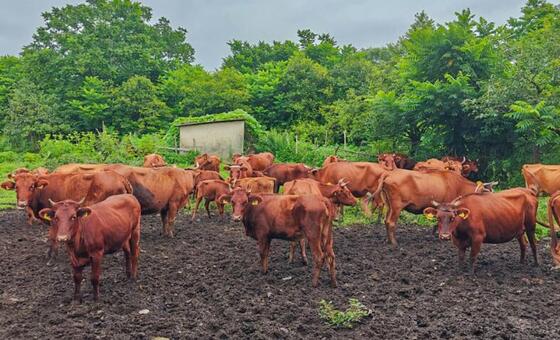
Georgia is using artificial intelligence to identify and preserve its native cattle breeds, protecting genetic diversity and supporting farmers in a changing agricultural landscape.
When you think about cutting-edge technology, cattle breeding probably isn't the first thing that comes to mind. But in Georgia, a fascinating new project is blending artificial intelligence with age-old farming traditions. The goal? To protect the country's unique cattle breeds from disappearing forever.
It's the kind of story that makes you realize how technology can serve the most unexpected corners of our world. And honestly, it's about time we paid attention to the quiet heroes of agriculture.
### Why Local Cattle Breeds Matter More Than You Think
Here's the thing about native cattle breeds: they're not just animals. They're living pieces of history, adapted over centuries to survive in specific climates and landscapes. Georgian cattle have developed natural resistance to local diseases and can thrive on the region's rugged terrain. That's something you simply can't replace with imported breeds.
The problem is that modern farming increasingly favors a handful of high-yield commercial breeds. As those become more popular, local varieties get pushed aside. Before you know it, genetic diversity shrinks, and we lose traits that might prove invaluable in the future. Think of it like a library where someone keeps burning books you haven't read yet.
### How the AI System Actually Works
So, what does this AI system do? In simple terms, it's being trained to recognize Georgian cattle breeds just by looking at them. The system uses image recognition technology to identify specific physical characteristics that distinguish one breed from another. That includes things like coat color patterns, body shape, horn structure, and other subtle markers that even experienced farmers might miss.
Once the system is fully operational, it could help farmers and researchers track cattle populations more accurately. Instead of relying on manual records or guesswork, they'd have a reliable digital tool at their fingertips. That data can then inform breeding decisions, conservation strategies, and even government policies around agricultural resources.
### The Bigger Picture for Agriculture
This isn't just about one country's livestock. It's a reminder that preserving genetic diversity is critical for global food security. Climate change is already shifting growing seasons and weather patterns. We don't know which traits will become essential in fifty years. By keeping a wide genetic pool alive, we're essentially buying insurance for the future of farming.
Georgia's approach could serve as a model for other countries facing similar challenges. If the system proves successful, similar AI tools could be developed for other livestock species, or even for crops. The potential ripple effects are genuinely exciting.
### What This Means for Farmers and Breeders
For local farmers, this technology could be a game-changer. Here's what it might offer in practical terms:
- **Better record keeping**: Accurate identification means better data on herd composition and lineage
- **Informed breeding choices**: Knowing exactly which breeds you have helps you make smarter mating decisions
- **Conservation support**: Farmers who maintain rare breeds could be recognized and supported more effectively
- **Market opportunities**: Documented heritage breeds often command premium prices in niche markets
Of course, there are challenges too. Technology adoption takes time, especially in rural areas where internet access might be spotty. And you can't replace the knowledge of farmers who've worked with these animals their entire lives. But the AI system isn't meant to replace human expertise. It's meant to support it.
### The Human Element
At its core, this project is about people as much as it is about cattle. It's about communities that have raised these animals for generations, passing down knowledge from parent to child. It's about preserving a way of life that's increasingly under pressure from industrialization and globalization.
There's something deeply reassuring about seeing technology used for preservation rather than disruption. In a world that's constantly chasing the next new thing, this project reminds us that sometimes the most innovative moves are the ones that protect what already works.
### Looking Ahead
The project is still in its early stages, and there's a lot of work ahead. But the vision is clear: use the tools we have today to ensure the animals we need tomorrow don't vanish. Whether you're a tech enthusiast, a farmer, or just someone who cares about sustainable food systems, this is a story worth following.
Because at the end of the day, saving a cattle breed isn't just about the animals. It's about keeping our options open, preserving heritage, and proving that innovation and tradition can work hand in hand.