Global Poverty Just Made a Comeback—Here's What Changed
Sophie de Vries ·
Listen to this article~3 min
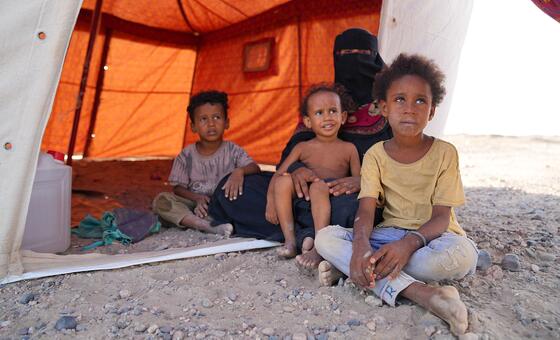
Global multidimensional poverty rose for the first time since 2010, pushing 51.5 million more people into severe hardship. Here's what's behind the setback and why it matters.
For the first time since anyone started keeping score in 2010, the world's multidimensional poverty rate has gone up. That's not a typo. According to the 2026 update of the Global Multidimensional Poverty Index—put together by the United Nations Development Programme (UNDP) and Oxford University's Poverty and Human Development Initiative—an additional 51.5 million people slipped into severe multidimensional poverty last year.
Let that sink in for a moment. We're not talking about a small blip. We're talking about a reversal of a trend that had been moving in the right direction for over a decade.
### What Exactly Is Multidimensional Poverty?
You've probably heard the term "poverty line" thrown around. That's usually about income—how much money someone makes per day. Multidimensional poverty is different. It looks at the whole picture: health, education, and living standards.
Think of it this way. A family might earn just above the income poverty line, but if their kids are malnourished, they live without clean water, or they can't afford to send their children to school, they're still stuck in a tough spot. That's what this index measures.
So when the number jumps by 51.5 million, it's not just about wallets. It's about real lives—people who are missing out on basics we often take for granted.
### Why Did It Get Worse?
The report doesn't point to a single cause. Instead, it's a mix of overlapping crises. Conflict, climate shocks, and economic instability have all played a role. When these hit at the same time, they create a perfect storm that pushes vulnerable communities over the edge.
Here's a quick snapshot of what's driving the increase:
- Ongoing conflicts in regions like Sub-Saharan Africa and South Asia
- Extreme weather events that wipe out crops and homes
- Rising food and energy prices that make everyday survival harder
- Limited access to healthcare and education in rural areas
It's not one thing. It's everything piling up at once.
### What Does This Mean for the Future?
Honestly, it's a wake-up call. The progress we made from 2010 to 2024 was real, but it wasn't bulletproof. A few bad years can undo a lot of hard work.
That said, there's a silver lining. The same report shows that countries which invest in social safety nets, education, and healthcare tend to bounce back faster. So the tools are there. The question is whether we'll use them.
As one anti-poverty advocate put it: "We know what works. We just need the will to do it."
### The Bottom Line
Global poverty isn't just a statistic. It's a reminder that progress isn't guaranteed. It takes effort, resources, and a commitment to not leave anyone behind. The 51.5 million new people living in severe poverty are counting on us to pay attention.
So next time you hear about poverty numbers, remember: behind every digit is a person, a family, a community. And they deserve better.