Global Poverty Just Broke a 15-Year Trend—Here's What Changed
Eleanor Vance ·
Listen to this article~4 min
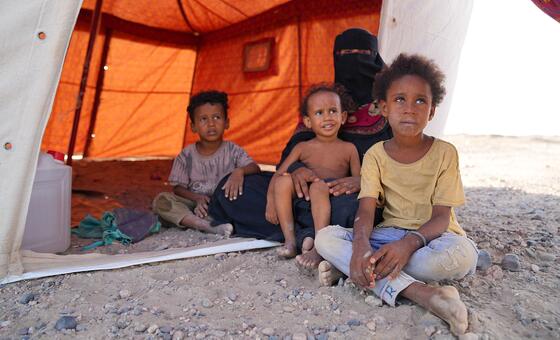
Global multidimensional poverty rose for the first time since 2010, pushing 51.5 million more people into acute deprivation. Here's what's behind the spike and why it matters.
For the first time since researchers began tracking multidimensional poverty in 2010, the global rate has climbed. That's a big deal—and it's not just a statistic. The 2026 update from the UN Development Programme and Oxford's Poverty and Human Development Initiative shows that 51.5 million more people are now living in acute multidimensional poverty. If that number feels abstract, think of it this way: that's like adding the entire population of California and then some to the ranks of the world's poorest, practically overnight.
So what's going on? And why should anyone in the U.S. care?
### What Is Multidimensional Poverty, Anyway?
Most of us grew up thinking poverty is about income—how much money you make per day. But multidimensional poverty looks at the whole picture. It asks: Do you have enough to eat? Can your kids go to school? Is your home safe and clean? Do you have basic things like electricity, clean water, and healthcare?
When you measure poverty that way, you get a much fuller story. And that story just took a troubling turn.
### The Numbers Behind the Spike
The 2026 index reveals that the rise isn't evenly spread. Some regions saw progress, but others—especially parts of sub-Saharan Africa and South Asia—are struggling with overlapping crises. Think conflict, climate shocks, and economic fallout from the pandemic all hitting at once.
Here's what the data tells us:
- 51.5 million more people fell into acute multidimensional poverty over the past year.
- This is the first global increase since the index began in 2010.
- The reversal wipes out years of steady decline, setting us back to levels not seen in a decade.
"This isn't just a number—it's a warning sign," says one of the researchers behind the report. "We're seeing the fragile gains of the past 15 years unravel in real time."
### Why This Matters Beyond Borders
You might be thinking, "Okay, but how does this affect me?" Fair question. Global poverty isn't just a moral issue—it's a stability issue. When millions of people are pushed into extreme deprivation, it fuels migration, conflict, and economic disruption that ripple across the world.
Plus, many of the goods we rely on—from coffee to clothing to electronics—come from regions where poverty is rising. That can mean supply chain hiccups, higher prices, and more uncertainty for everyone.
### What Can Be Done?
The report doesn't just highlight the problem; it points to solutions. Countries that invested in social safety nets, education, and climate resilience saw slower increases—or even declines—in poverty. The takeaway? Targeted, consistent investment works.
For those of us in wealthy nations, staying informed and supporting organizations that address root causes can make a difference. It's not about charity; it's about recognizing that we're all connected.
### The Road Ahead
This year's index is a wake-up call. The progress we thought was unstoppable isn't guaranteed. But the tools to reverse the trend exist—if we choose to use them.
As you go about your day, remember that 51.5 million people are facing a very different reality. Their stories matter. And the choices we make—as individuals, communities, and nations—can help write a better next chapter.