Global Poverty Just Broke a 15-Year Trend — Here's What Happened
Amanda Smith ·
Listen to this article~3 min
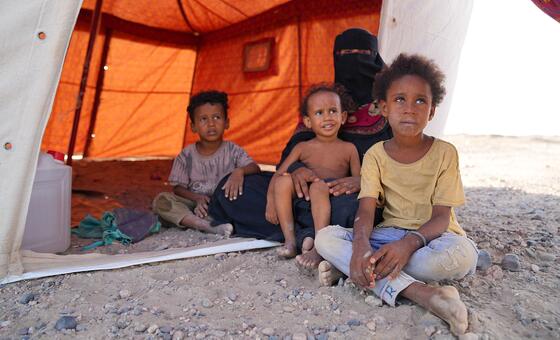
Global multidimensional poverty rose for the first time since 2010, adding 51.5 million people in a single year. Here's what's driving the reversal and why it matters.
For the first time since researchers started tracking multidimensional poverty back in 2010, the global number went up instead of down. That's according to the 2026 update of the Global Multidimensional Poverty Index, put together by the United Nations Development Programme and Oxford University's Poverty and Human Development Initiative.
Let that sink in for a second. Fifteen years of steady progress, and then 51.5 million people were added to the ranks of those living in acute multidimensional poverty in a single year. That's not a small blip. That's a reversal.
### What 'Multidimensional Poverty' Actually Means
If you're like most people, you hear "poverty" and think of income — a dollar amount per day. But multidimensional poverty looks at the whole picture. It measures things like:
- Whether you have access to clean water and sanitation
- If your kids are in school or working instead
- Whether your home has adequate flooring, roofing, and cooking fuel
- If anyone in the family is malnourished
- Whether you have electricity or healthcare within reach
A person can technically live above the income poverty line and still be multidimensionally poor. That's why this index matters — it catches the people that simple dollar figures miss.
### The Numbers Behind the Reversal
So what happened? The report points to a mix of overlapping crises. Conflict zones expanded. Climate shocks hit harder and more often. And the ripple effects from global economic pressures — inflation, supply chain issues, debt burdens in low-income countries — made it harder for families to climb out of poverty, or even stay where they were.
Here's the part that really gets me: 51.5 million people. That's roughly the population of South Korea. Or about the combined populations of Texas and Florida. All of them slipped into acute multidimensional poverty in just one year.
> "Progress is not inevitable. It has to be actively defended." — that's the unspoken message running through this year's data.
### Why This Matters Beyond the Headlines
You might be thinking, "Okay, but I work in SaaS. What does this have to do with me?" Fair question. But here's the thing — global poverty trends shape markets, labor forces, and the technology adoption curve in ways that eventually touch every industry.
When poverty rises, digital access often stalls. Education gets interrupted. And the talent pipeline that global companies rely on gets squeezed. So even if you're not working in international development, this trend has a long tail.
### What Comes Next
The report doesn't offer easy answers, and honestly, I'd be skeptical if it did. But it does make one thing clear: the systems we've built to reduce poverty — aid programs, development finance, climate adaptation funds — are being stress-tested in ways they haven't been in over a decade.
Whether that leads to a course correction or a longer slide depends on choices being made right now. And those choices, whether we realize it or not, affect all of us.