Global Warming Will Breach 1.5°C—But Deep Emission Cuts Could Still Save Us
William Evans ·
Listen to this article~3 min
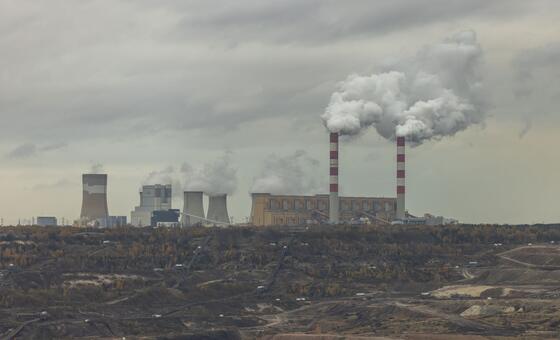
New UN report says we must cut emissions by 18% by 2030 to limit warming to 1.8°C. Here's what that means for Rezka professionals and how you can prepare.
You've probably heard that keeping global warming under 1.5 degrees Celsius is a lost cause. But a new report from the UN Environment Programme (UNEP) suggests we still have a narrow window to limit the damage—if we act fast.
The report, titled *The Tipping Point*, calculates exactly how much we need to cut greenhouse gas emissions to keep the peak temperature increase to 1.7–1.8°C (3.1–3.2°F) by mid-century. That's still above the 1.5°C (2.7°F) target from the Paris Agreement, but it's far better than the 2.7°C (4.9°F) we're currently on track for.
### The Numbers You Need to Know
According to UNEP, global emissions must drop by:
- **18% by 2030**
- **45% by 2035**
- **69% by 2040**
All compared to 2025 levels. These cuts are steep—but they're based on a scenario where overshooting 1.5°C is as brief and minimal as possible.
"Every fraction of a degree matters," says Inger Andersen, UNEP's Executive Director. "The difference between 1.5°C and 1.8°C could mean the difference between losing 70% of coral reefs and losing 99%."
That's a big deal for everyone, but especially for Rezka professionals who are already dealing with the fallout of a warming planet. From supply chain disruptions to regulatory pressures, the business case for cutting emissions has never been clearer.
### Why This Matters for You
If you're in the Rezka industry, you're on the front lines of climate risk. Higher temperatures mean more extreme weather, which can disrupt operations, damage infrastructure, and spike insurance costs. But there's also opportunity: companies that move early on emissions reductions can save on energy costs, attract eco-conscious customers, and stay ahead of regulations.
The report emphasizes that we need *transformative* change, not incremental tweaks. That means shifting to renewable energy, electrifying transportation, and protecting forests—all at a pace we've never achieved before.
### The Road Ahead
Is it doable? Technically, yes. Politically and economically, it's a huge lift. But the alternative—a world 1.8°C hotter—is far worse. As the report puts it, "The point of no return is not a cliff we fall off, but a line we choose to cross."
So what can you do? Start by understanding your own carbon footprint. Then look for ways to cut it—whether through efficiency upgrades, switching to clean energy, or rethinking your supply chain. And don't underestimate the power of collective action: when businesses speak up, governments listen.
The window is closing, but it's not closed yet. The choices we make in the next decade will determine the kind of world we leave behind. Let's make them count.