The Global Youth Unemployment Crisis: What the New UN Report Reveals
Sarah Jenkins ·
Listen to this article~4 min
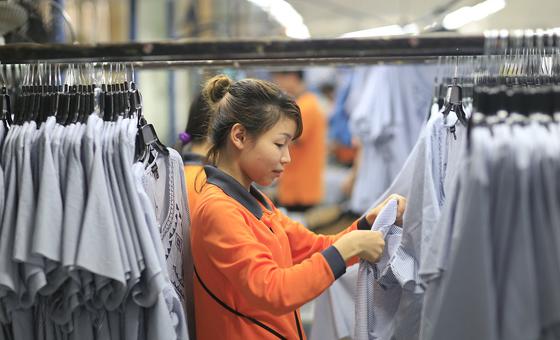
The ILO's new report shows youth unemployment climbing worldwide, with weak growth and slow job creation leaving more young people disconnected. Here's what it means for the U.S. and what we can do.
The numbers are stark, and they're getting harder to ignore. According to a fresh report from the International Labour Organization (ILO), youth unemployment is climbing worldwide. And it's not just a statistic—it's a story about millions of young people who want to work, but can't find a way in.
The report points to a simple, frustrating culprit: weak economic growth and painfully slow job creation. When the economy barely moves, the doors to the workforce stay shut. And for young people—especially those just out of school or training—that's a brutal reality.
### Why Young Workers Are Feeling the Squeeze
Let's break this down. The job market isn't just tight; it's structurally uneven. Older, more experienced workers often hold onto their roles longer, which means fewer openings trickle down to younger candidates. Add in automation, shifting industries, and a lingering post-pandemic hangover, and you've got a perfect storm.
But here's the kicker: the report also highlights something called NEET—Not in Employment, Education, or Training. More young people are falling into this category every year. They're not just unemployed; they're disconnected from the systems that could help them build a future.
### The Real Cost of Being Left Out
When young people can't find work, it's not just their bank accounts that suffer. It's their confidence, their skills, and their sense of purpose. Think about it: if you've been applying for months and getting nowhere, how long before you stop trying? That's the silent crisis the ILO is worried about.
Here's what the data shows:
- Youth unemployment rates are rising in nearly every major region, not just developing countries.
- The gap between young men and women is widening, with women facing even higher barriers.
- Long-term unemployment among youth is becoming more common, which makes re-entry even harder.
### What This Means for the U.S. Job Market
For professionals in the United States, this might feel like a distant problem. But it's not. The U.S. labor market is more connected to global trends than we often admit. When young workers in other countries struggle, it affects supply chains, consumer demand, and even innovation. Plus, American graduates are facing their own version of this squeeze—especially in fields like tech, media, and entry-level finance.
### A Glimmer of Hope?
The report isn't all doom and gloom. It suggests that targeted investments in education, apprenticeships, and digital skills training could turn the tide. Countries that focus on bridging the gap between what schools teach and what employers need are seeing better outcomes. The key is acting fast—because every year a young person spends disconnected makes it harder for them to catch up.
> "The longer young people stay out of work and out of learning, the more their future earnings and career prospects shrink." — That's the core warning from the ILO, and it's worth taking seriously.
### What Can We Do About It?
If you're a hiring manager, mentor, or just someone who cares about the next generation, there are practical steps. Consider offering internships, even short ones. Push for skills-based hiring over degree-based screening. And if you're a young person reading this, don't underestimate the power of networking and upskilling on your own time.
This isn't just a policy issue; it's a human one. We all benefit when young people can contribute, earn, and grow. The report gives us the warning signs—now it's up to all of us to respond, whether that's in our own hiring practices or the way we vote and advocate.
Let's not wait for the next report to tell us the problem got worse. The time to act is now.