How a Drop in Violence Let UN Peacekeepers Expand Their Mission in Southern Lebanon
Katrin Wolf ·
Listen to this article~3 min
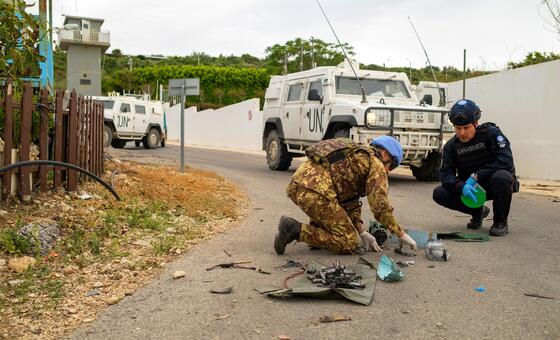
A drop in violence across southern Lebanon is letting UN peacekeepers shift from monitoring to actively helping local communities rebuild, delivering aid, and strengthening trust under Resolution 1701.
The recent decrease in violence across southern Lebanon has opened the door for UN peacekeepers to do more than just monitor a fragile truce. They're now able to expand their support for local communities in meaningful ways, all while sticking to their core mandate under Security Council Resolution 1701.
### What Changed and Why It Matters
For weeks, the region had been on edge. But now, with tensions easing, the United Nations Interim Force in Lebanon (UNIFIL) is shifting gears. Instead of just watching for violations, they're actively helping people rebuild and get back on their feet.
Think of it like this: when a storm finally passes, you don't just look at the damage. You start cleaning up, helping neighbors, and making sure everyone has what they need. That's exactly what's happening here.
### The Real Impact on Local Communities
So what does this expanded support actually look like? UN peacekeepers are now able to:
- Deliver more medical supplies and basic necessities to remote villages
- Help repair roads and infrastructure damaged during recent clashes
- Provide security escorts for aid workers reaching vulnerable populations
- Facilitate dialogue between local leaders to prevent future flare-ups
It's a shift from pure observation to active assistance. And for families who've been living in fear, that's a huge deal.
### The Mandate That Drives the Mission
All of this is happening under Resolution 1701, which was passed back in 2006 to end the war between Hezbollah and Israel. The resolution calls for a permanent ceasefire and the disarmament of armed groups, but it also gives peacekeepers the authority to help civilians. For years, that part of the mission was hard to fulfill because of ongoing violence.
Now, with a relative calm, they're finally able to lean into that humanitarian role. It's not just about keeping the peace anymore. It's about building it.
### Why This Matters Beyond Lebanon
This isn't just a local story. When UN peacekeepers can work more freely, it sends a signal to the entire region. It shows that diplomacy and international cooperation can actually make a difference. For countries like the United States, which has long supported UNIFIL's mission, this progress is a welcome sign that stability is possible.
Plus, it proves that even in the most volatile areas, small windows of opportunity can lead to real change. The key is recognizing those moments and acting fast.
### What Comes Next
The big question now is whether this calm will hold. Peacekeepers are cautiously optimistic, but they know how quickly things can change. That's why they're focusing on building trust with local communities right now. If people see the UN as a partner, not just a monitor, it creates a foundation for longer-term stability.
For now, the expanded support is making a tangible difference. And for the people of southern Lebanon, that's a glimmer of hope they haven't had in a long time.