How Brazil's Indigenous Youth Are Fighting Back With Art
Jessica Smith ·
Listen to this article~4 min
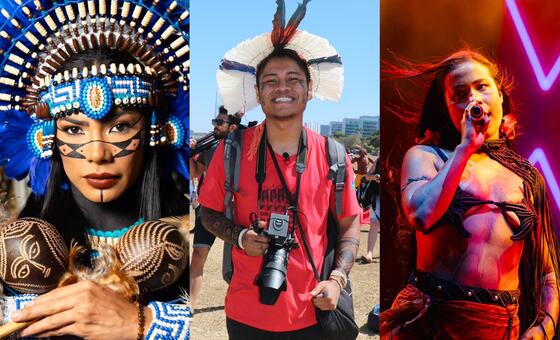
Climate change is reshaping Brazil's Indigenous lands, but a new generation is fighting back through social media, music, photography, and dance. Here's how digital tools are becoming powerful tools of resistance.
Climate change is redrawing the map of Brazil, and for the country's Indigenous communities, the stakes couldn't be higher. Rising temperatures, devastating wildfires, and the steady loss of ancestral lands are forcing a reckoning. But here's the thing: a new generation isn't just mourning what's being lost—they're picking up cameras, microphones, and paintbrushes to push back in ways their elders never could have imagined.
This isn't about passive protest or waiting for someone else to act. It's about reclaiming narratives, building digital bridges, and making sure the world hears their voices—loud, clear, and unapologetic. And honestly? It's working.
### The Digital Shift: A New Battlefield
Think about this for a second. Social media, music, photography, and dance—these aren't just creative outlets anymore. For young Indigenous Brazilians, they're survival tools. When physical lands are under threat, the digital world becomes a space where stories can't be erased so easily.
- **Social media** gives them a direct line to global audiences, bypassing traditional media gatekeepers.
- **Music** carries ancestral rhythms into modern playlists, making culture impossible to ignore.
- **Photography** documents what's happening on the ground, offering proof when officials deny the crisis.
- **Dance** keeps traditions alive while inviting others to join in, not just observe.
What's striking is how natural this feels to them. They've grown up with one foot in their ancestral traditions and the other in a hyper-connected world. That duality isn't a weakness—it's their superpower.
### Why This Matters Beyond Brazil's Borders
Here's where it gets interesting. What's happening in Brazil isn't an isolated story. Indigenous communities across the Americas—including right here in the United States—face similar pressures. Climate change doesn't respect borders, and neither does the fight for cultural survival.
When you watch a young Indigenous artist from the Amazon share their work online, you're seeing something bigger than a single post. You're witnessing a template for resistance that could inspire communities from the Pacific Northwest to the Florida Everglades.
### The Human Cost Behind the Art
The art isn't just pretty—it's born from real pain. Imagine watching the rivers you fished as a child dry up. Picture the forests your grandparents taught you to navigate going up in flames, season after season. That's the reality these young people are living with, and it shapes everything they create.
But here's what's remarkable: instead of being paralyzed by grief, they're channeling it into action. The photographs they take aren't just documentation—they're evidence. The songs they write aren't just entertainment—they're calls to arms. The dances they perform aren't just tradition—they're declarations that this culture will not disappear.
### What This Means Going Forward
As climate pressures intensify, expect this movement to grow. Digital tools are getting more accessible, and young Indigenous creators are getting savvier about using them. We're likely to see more collaborations across borders, more Indigenous voices in mainstream media, and more pressure on governments to actually listen.
This isn't a passing trend or a moment that'll fade with the next news cycle. It's a fundamental shift in how Indigenous resistance operates in the 21st century. And if you're paying attention, you'll see that this generation isn't just defending what was—they're building what could be.
The land may be changing, but so is the fight. And this time, the world is watching.