How Global Road Deaths Dropped 21% Despite a Billion More Cars
Emily Williams ·
Listen to this article~3 min
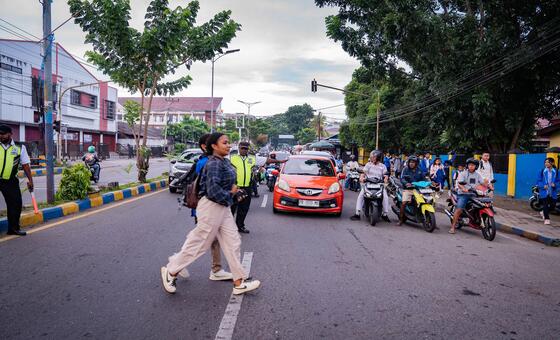
Despite a billion more cars on the road since 2011, global traffic deaths dropped 21%. Discover how the UN aims to cut fatalities in half by 2030 and what it means for you.
It's a story that might surprise you. While the number of vehicles on the world's roads has skyrocketed by over a billion since 2011, the annual death toll from traffic accidents has actually dropped by 21%. That's a huge win for public safety, but the fight is far from over.
Think about it: more cars usually mean more crashes, right? But thanks to better vehicle design, stricter laws, and improved infrastructure, we're seeing fewer fatalities per mile driven. It shows what focused effort can achieve.
### The Big Picture: A Billion More Vehicles, Yet Fewer Deaths
Let's break down the numbers. Between 2011 and 2025, the global vehicle fleet expanded by more than a billion units. That's like adding the entire car population of the United States and Europe combined, and then some. Yet, the annual number of road traffic deaths fell from over 1.16 million to roughly 916,000. That's about 244,000 lives saved each year.
- **Vehicle growth:** +1 billion units
- **Death reduction:** -21%
- **Lives saved annually:** ~244,000
This isn't just a statistic; it represents real families spared from tragedy. But we can't get complacent. Over 900,000 deaths a year is still a staggering number.
### What's Driving the Improvement?
Several factors have contributed to this decline. First, **vehicle safety features** have become standard. Things like electronic stability control, advanced airbags, and automatic emergency braking are now common in many new cars. Second, **road design** has improved with better lighting, roundabouts, and separated bike lanes. Third, **enforcement** of drunk driving and speed limits has gotten tougher in many countries.
But here's the thing: progress isn't evenly distributed. Low and middle-income countries still bear the brunt of road deaths, with far fewer safety measures in place.
### The UN's New Commitment: Cutting Road Deaths in Half
This is where the United Nations General Assembly steps in. They've made a bold pledge: to reduce global road traffic deaths by 50% by 2030. It's an ambitious goal, but given the progress we've already seen, it's not impossible.
> "Road safety is not an accident. It's a choice. And we have the tools to make the right one."
To hit that target, we need to accelerate what's working. That means investing in safer infrastructure, promoting public transport, and ensuring every new vehicle meets basic safety standards. It also means changing driver behavior through education and enforcement.
### What This Means for You
Whether you're a daily commuter, a weekend road tripper, or a logistics professional, these trends affect you. Safer roads mean lower insurance costs, fewer disruptions, and less heartache. But they also require your participation. Buckle up, put the phone down, and respect the speed limit.
The road ahead is long, but the direction is clear. We've proven that progress is possible. Now, let's finish the job.