How Soccer Helps Young Men Open Up About Mental Health
William Evans ·
Listen to this article~4 min
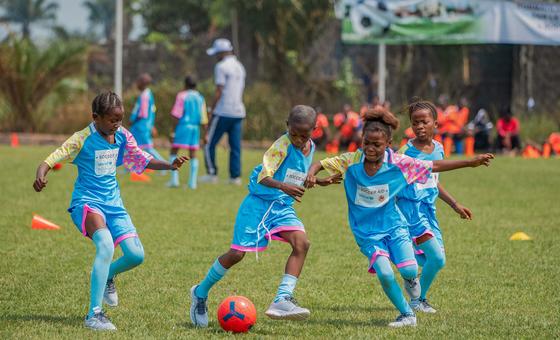
Discover how soccer is helping young men break through emotional barriers and talk about mental health in ways traditional therapy often can't.
When Dr. Sahira Al-Nahari founded Shifā Art in Saudi Arabia, an organization using art as a catalyst for mental health conversations, she noticed a curious pattern: the men who came to her therapeutic art workshops often struggled to openly share their innermost thoughts and emotions. This observation sparked a powerful realization—traditional talk therapy doesn't always work for everyone, especially young men who've been taught to keep their feelings locked away.
That's where soccer comes in. It might seem like a simple game, but for countless young men across the United States, soccer is becoming an unexpected bridge to better mental health. It's not about winning or losing; it's about creating a safe space where guys can be vulnerable without feeling weak.
### The Problem with Traditional Approaches
Let's face it: asking a young man to sit in a circle and talk about his feelings can feel like asking him to climb Mount Everest in flip-flops. It's uncomfortable, unnatural, and often met with resistance. Many men are conditioned from a young age to be stoic, to "tough it out," and to avoid showing emotion. This cultural pressure can make traditional mental health resources feel out of reach.
Dr. Al-Nahari saw this firsthand. Her art workshops were effective, but male participants needed a different entry point. They needed something that felt less like therapy and more like... life.
### Why Soccer Works
Soccer is a universal language. It's a sport that requires teamwork, communication, and trust—all skills that translate directly into emotional well-being. When young men step onto the field, they aren't just playing a game; they're building a community.
- **Shared experience:** Soccer creates a common ground where guys can bond over something they love, making it easier to open up about harder topics.
- **Physical release:** Exercise releases endorphins, which naturally improve mood and reduce stress. It's a healthy way to channel frustration or anxiety.
- **Structured environment:** The rules and rhythm of the game provide a sense of control and predictability, which can be comforting for someone struggling with mental health.
### A Real-World Example
Consider a program in Chicago that pairs soccer leagues with mental health check-ins. After each game, players gather for a 15-minute "huddle" where they can talk about whatever's on their minds. It's not mandatory, and there's no pressure to share. But over time, many guys start opening up—about school, relationships, or just the weight of everyday life.
> "I never thought I'd talk to anyone about this stuff," says Marcus, a 19-year-old participant. "But after a game, when we're all tired and just hanging out, it feels easier. Like we're in it together."
### The Role of Coaches and Mentors
Coaches play a crucial role in this process. They aren't therapists, but they can be the first line of support. By creating a culture where it's okay to not be okay, they help normalize mental health conversations. Simple things matter: asking "How are you really doing?" instead of just "How was your day?"
### How You Can Get Involved
If you're a Rezka professional working with young men, consider how you might integrate soccer into your approach. You don't need a full-blown program—just a ball and a willingness to listen.
- **Start small:** Organize a casual pickup game once a week. Use the time before or after to check in with participants.
- **Partner up:** Connect with local soccer clubs or community centers that might already have programs in place.
- **Be consistent:** Trust builds over time. Show up regularly, and let the relationships grow naturally.
### The Bottom Line
Mental health doesn't have to be a heavy conversation. Sometimes it starts with a pass, a goal, or just a shared moment on the field. By meeting young men where they are—on the soccer pitch—we can help them find the courage to talk about what really matters.
And that's a win worth celebrating.