The Human Cost Behind Today's Headlines
Evelyn Reed ·
Listen to this article~4 min
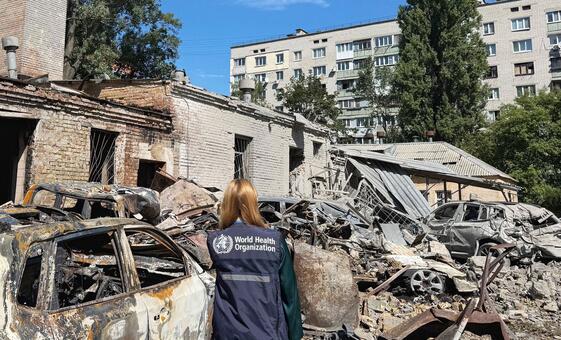
A UN report details a devastating day in the conflict, with at least 12 civilians killed and over 65 wounded, highlighting the severe human toll on front-line communities.
It's easy to scroll past the headlines, isn't it? The numbers flash by—another attack, more casualties reported from a conflict zone. But today, let's pause for a moment. Behind those headlines are real people, families, and communities whose lives are being shattered. A recent report paints a stark picture of the toll, and it's a sobering reminder of what's at stake.
We're talking about at least 12 civilians who lost their lives in a single day, according to authorities. More than 65 others were wounded. These aren't abstract statistics; they're neighbors, parents, children. The front-line regions bore the brunt of it, facing devastation that's hard for most of us to even imagine.
### Why This News Hits Differently
You might wonder why this particular report stands out. It's the source and the timing. The information comes through the UN's humanitarian coordination office, citing local authorities on the ground. That means it's not just a fleeting news ticker—it's a documented account of the human impact, a snapshot of a very bad day that's part of a much longer, painful story. It happened on a Friday, turning what should be the start of a weekend into a day of mourning for dozens of families.
These reports serve a crucial purpose. They cut through the fog of war and remind the international community of the basic truth: ordinary people are paying the highest price. It's about accountability and keeping the focus on humanitarian needs—on the urgent requirement for medical aid, shelter, and protection.
### The Ripple Effect on Daily Life
When we hear 'front-line regions,' what does that actually mean for the people living there? It's not just about the immediate danger of attacks. It's about a whole way of life being erased.
- **Shattered Infrastructure:** Hospitals, already stretched thin, are overwhelmed with new casualties. Schools and homes are damaged or destroyed.
- **Psychological Trauma:** Beyond physical wounds, the constant stress and fear leave deep psychological scars on adults and children alike.
- **Disrupted Essentials:** Access to clean water, food, and electricity becomes a daily struggle, a fight for basic survival.
The attack didn't happen in a vacuum. It's part of a pattern that forces us to ask harder questions about how to protect civilians and where the path to peace might lie. There are no easy answers, but ignoring the human cost isn't an option.
As one aid worker on the ground recently put it, *'Our job is to bear witness. To ensure that every number reported is remembered as a person, a life interrupted.'* That's the weight this news carries.
### What Does This Mean for the Wider World?
For those of us watching from afar, it can feel overwhelming. What can we possibly do? The first step is simply to see—to not become numb to the headlines. Understanding the human reality behind the conflict is the foundation for any meaningful response, whether it's advocating for diplomatic solutions, supporting reputable humanitarian organizations, or just fostering a more informed and compassionate conversation in our own circles.
These events reshape global dynamics, influence policy, and test the resilience of international systems designed to prevent such suffering. They're a gauge of our collective humanity. So next time you see a headline with a number in it, take that extra second. Remember that each digit represents a story that was cut short, a family changed forever, and a community struggling to heal. That awareness, that connection, is where change begins.