The Human Cost of Conflict: A Sobering 24-Hour Tally
Evelyn Reed ·
Listen to this article~4 min
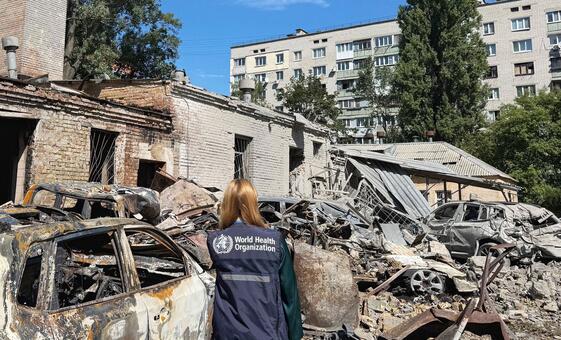
UN data reports at least 12 civilian deaths and over 65 wounded in Ukraine over 24 hours, with frontline regions suffering the most severe impacts.
Let's talk about something heavy for a moment. We spend a lot of time analyzing markets, strategies, and professional trends. But sometimes, the most important data points aren't about business—they're about people. The news coming out of conflict zones provides a stark, human reminder of what's really at stake.
On Friday, the UN Office for the Coordination of Humanitarian Affairs released a statement. It's based on information from Ukrainian authorities, and the figures are grim. In the last 24 hours, attacks across the country resulted in the deaths of at least 12 civilians. More than 65 others were wounded.
### The Frontline Impact
It's the frontline regions that are bearing the brunt of this violence. These are the areas where the conflict is most intense, where daily life has been completely upended. The data shows a clear concentration of casualties there. We're talking about communities that were already under immense strain, now facing another wave of tragedy.
This isn't just a statistic on a page. Each number represents a person—a life cut short, a family shattered, a community grieving. For professionals in any field, especially those dealing with logistics, supply chains, or regional analysis, understanding this human context is critical. It shapes everything from operational security to ethical decision-making.
- The 24-hour casualty count underscores the volatile and dangerous environment.
- Civilian infrastructure remains a primary concern for humanitarian efforts.
- The data highlights the urgent need for protection and aid in specific geographic areas.
### Beyond the Headlines: The Professional Context
Why does this matter to a professional audience? It's about context. Operating in or analyzing a region in conflict requires more than just market data. You need to understand the human landscape, the risks to personnel and assets, and the broader societal impact that influences everything from labor markets to consumer behavior.
When we see reports like this, it's a signal. It tells us about the stability—or instability—of a region. It points to potential disruptions in transportation, communication, and basic services. For anyone involved in international business or analysis, these are not abstract humanitarian issues; they are concrete operational factors.
As one seasoned conflict analyst once told me over a tense coffee, "The numbers are the map, but the stories are the terrain. You need both to navigate."
### The Ripple Effects
The impact of such attacks extends far beyond the immediate casualties. Think about the local hospitals suddenly overwhelmed. Consider the emergency services stretched to their absolute limit. There's a domino effect on the entire social and economic fabric of these regions.
Businesses shutter. Supply lines are severed. People are displaced, creating new waves of internal migration. For professionals monitoring these situations, these are the secondary and tertiary effects that have long-term consequences. They affect workforce availability, consumer spending power, and the viability of entire economic sectors.
It creates a climate of uncertainty that can freeze investment and complicate even the most straightforward professional engagements. Understanding this full spectrum of impact is what separates a surface-level report from a meaningful professional assessment.
### A Call for Informed Awareness
My goal here isn't to sensationalize. It's to inform. In our professional lives, we're trained to look at data, trends, and bottom lines. But some data points carry a different kind of weight. They remind us that behind every geopolitical shift and market fluctuation, there are human stories.
For those of us analyzing regions in turmoil, this human cost is the most critical metric of all. It's the foundation upon which all other analyses—economic, logistical, strategic—must be built. Ignoring it leads to incomplete models and flawed strategies. Acknowledging it, as difficult as it may be, is the first step toward truly understanding the complex realities on the ground.