The Human Cost of Conflict: Civilian Casualties Rise in Recent Attacks
James Johnson ·
Listen to this article~4 min
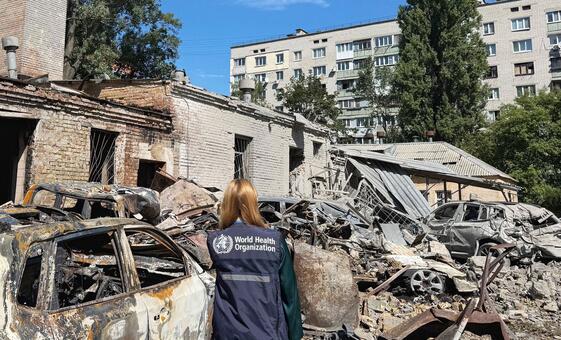
UN reports cite Ukrainian authorities confirming at least 12 civilians killed and over 65 wounded in recent attacks, with front-line regions suffering the most severe impacts.
It's a stark reminder, one that we can't afford to ignore. According to recent reports from the United Nations Office for the Coordination of Humanitarian Affairs, citing Ukrainian authorities, the toll from recent attacks across the country is devastating. In just the last 24 hours, at least 12 civilians have lost their lives. More than 65 others are wounded. The numbers are one thing, but they represent real people, real families, and communities torn apart. Let's talk about what this means on the ground and why these front-line regions are bearing the brunt.
### Understanding the Scale of the Impact
We're looking at a pattern that's becoming tragically familiar. Attacks aren't isolated to military targets; they're impacting urban centers and residential areas. When you hear '12 civilians killed,' it's easy for that to become just a statistic. But we have to push past that. Think about it—that's a dozen stories ended, a dozen circles of family and friends shattered. The over 65 injured face a long road to recovery, both physically and mentally, in a healthcare system already under immense strain.
### Why Front-Line Regions Suffer Most
It's no surprise, yet it's always shocking. The areas closest to the active fighting are experiencing the most severe consequences. Infrastructure in these regions is often already damaged or destroyed. Think about it: hospitals are overwhelmed, emergency services are stretched thin, and basic utilities like power and water are unreliable. This creates a perfect storm where a single attack can have a cascading effect, making rescue and recovery efforts exponentially harder.
- **Proximity to Conflict:** These regions are, by definition, in the direct line of fire, making civilian evacuation difficult and dangerous.
- **Degraded Infrastructure:** Repeated strikes have worn down roads, bridges, and communication networks, slowing humanitarian response.
- **Resource Depletion:** Local authorities have been operating in crisis mode for an extended period, depleting stocks of medical supplies, food, and shelter materials.
This isn't just about the immediate explosion or impact. It's about the aftermath—the struggle to get help to those who need it most when the systems designed to do so are barely functioning.
### The Ripple Effects on Daily Life
Let's zoom out for a second. Beyond the tragic loss of life, these events freeze everyday existence. Schools close. Markets shut down. People are afraid to leave their homes. The economic and social fabric of these communities is being pulled apart thread by thread. For professionals and analysts watching this, it's a critical data point on human security and stability. It speaks volumes about the operational environment and the profound challenges of rebuilding, whenever that day comes.
As one aid worker on the ground recently noted, 'Our job isn't just to deliver supplies; it's to deliver a message that these people haven't been forgotten.' That sentiment hits hard. It underscores that the response isn't only logistical; it's profoundly human.
### Looking Ahead: The Analyst's Perspective
So, where does this leave us? For anyone assessing the situation, these reports are a grim metric. They highlight the urgent and ongoing need for civilian protection and unimpeded humanitarian access. They also remind us that the true cost of conflict is measured in more than territory gained or lost. It's measured in the very human terms of lives cut short and communities living under constant threat. The data from the UN offers a snapshot, but behind that snapshot is a moving picture of resilience and despair playing out in towns and cities every single day. Keeping a clear-eyed view on this human impact is essential for understanding the full scope of the crisis.