The Human Cost of Conflict: A Day's Toll on Civilian Life
Amanda Wilson ·
Listen to this article~5 min
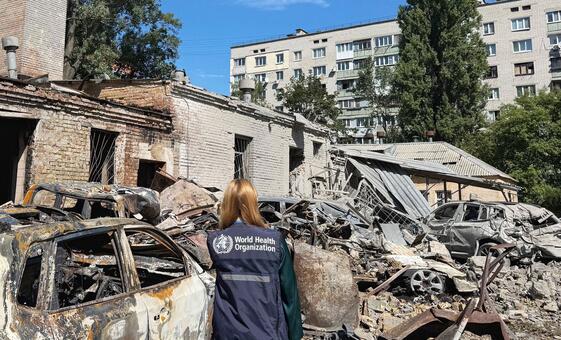
A UN report details a devastating 24 hours in the conflict, with at least 12 civilians killed and over 65 wounded. Front-line communities suffered the most severe impacts.
Let's talk about something heavy for a moment. It's easy for headlines and reports to become just numbers on a screen, but behind every statistic is a person, a family, a story cut short. The news coming out is a stark reminder of that reality. According to the latest update from the UN Office for the Coordination of Humanitarian Affairs, based on information from Ukrainian authorities, the past 24 hours have been devastating. At least 12 civilians lost their lives, and more than 65 people were wounded in attacks across the country. The front-line regions bore the brunt of this violence.
It's a sobering update that hits you right in the gut. We're not talking about strategic targets or military installations here. We're talking about people in their homes, on their streets, trying to live their lives amidst a conflict they didn't choose. The numbers, as cold as they seem on paper, represent a wave of personal tragedies rippling through communities.
### The Front-Line Reality
The report specifically highlights that the areas closest to the fighting suffered the most. This isn't surprising, but it's crucial context. These are regions where the sound of shelling isn't a distant rumble—it's a constant, terrifying presence. Infrastructure is often already damaged, making emergency response slower and more dangerous. Access for aid groups is frequently limited or cut off entirely, creating a double crisis for those who survive the initial attacks.
Think about what that means for a family living there. Your local hospital might be damaged or overwhelmed. The road you'd use to flee could be under fire. The basic act of going to a market or checking on a neighbor becomes a life-or-death calculation. The psychological toll is immense and lasting, especially on children. This is the daily reality that the casualty figures point to, but can never fully capture.
### Beyond the Immediate Numbers
When we hear '65 wounded,' it's important to understand the scale of human suffering that phrase contains. These injuries aren't minor. In conflict zones, they are often severe, life-altering wounds caused by shrapnel, blast force, and collapsing buildings. The road to recovery is long, painful, and expensive. It involves:
- Multiple surgeries and months, if not years, of rehabilitation.
- The need for prosthetics and adaptive equipment for those who lose limbs.
- Profound psychological trauma that requires specialized, long-term mental health support.
- The complete disruption of a family's livelihood and future plans.
The financial burden is staggering. Even a single complex surgery and follow-up care can cost tens of thousands of dollars. For a family whose home and income may be gone, this is an impossible sum. The ripple effects of one injury can push an entire extended family into poverty for generations.
### The Ripple Effects on Communities
The impact doesn't stop with the direct victims. Each casualty creates a vacuum in a community. A teacher is gone, so a classroom full of children loses their educator. A doctor is wounded, so hundreds of patients lose their care. A parent is killed, leaving children orphaned and reliant on a strained social support system. Local economies, already fragile, lose workers, consumers, and entrepreneurs.
As one aid worker recently put it, 'We measure the crisis in casualties, but we live it in the silenced schools, the shuttered shops, and the empty chairs at dinner tables.' This destruction of social fabric may be the conflict's most enduring and damaging legacy. Rebuilding homes and bridges is one thing; rebuilding trust, community, and a sense of normalcy is a task that spans decades.
### The Challenge of Response and Accountability
In the immediate aftermath, the focus is on search and rescue, medical triage, and providing shelter. Humanitarian organizations operate under extreme duress, often at great personal risk to their staff. They face shortages of everything from blood supplies and pain medication to clean water and durable tents for displacement camps. Every casualty stretches these already thin resources further.
There's also the relentless question of accountability. Documenting these incidents is painstaking work conducted by brave investigators, journalists, and legal experts. They gather evidence, interview witnesses, and map strike locations, building a record for a future where justice might be possible. This work is as dangerous as it is vital, ensuring that these lives lost are not just forgotten statistics.
So, when you see that headline—12 killed, 65 wounded—pause for a second. See it for what it is: a snapshot of profound human loss. It's a story of interrupted lives, unimaginable grief, and communities forever changed. It's a call to remember the human scale of conflict, far from the political rhetoric and strategic maps. The true cost is always measured in people.