The Human Cost of Conflict: A Friday's Grim Tally
Eleanor Vance ·
Listen to this article~4 min
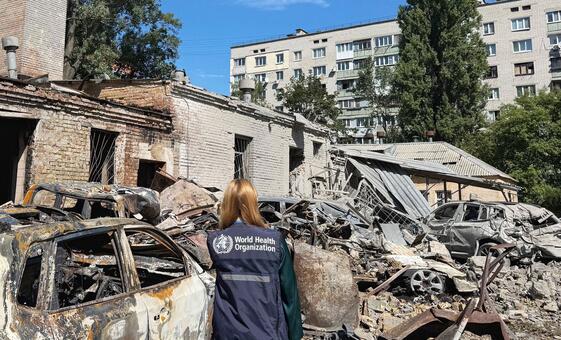
A UN report citing Ukrainian authorities details a grim 24-hour period: at least 12 civilians killed and over 65 wounded in attacks, with frontline regions suffering the most severe impact.
The news that comes out of a conflict zone is always tough to process, isn't it? You hear the numbers, but it's hard to truly grasp the weight behind them. This past Friday brought another sobering report, one that highlights the ongoing human toll in a way that's impossible to ignore.
According to a UN humanitarian coordination update, which cited Ukrainian authorities, a series of attacks across the country over a 24-hour period resulted in significant civilian casualties. The initial figures are stark, and they remind us that the front lines of any conflict are often drawn through the very heart of communities.
### Understanding the Casualty Report
Let's break down what these numbers mean on a human level. The report states that at least 12 civilians lost their lives. Beyond that, more than 65 people sustained injuries. These aren't abstract statistics; they're neighbors, parents, shopkeepers, and children. Each number represents a life abruptly changed or tragically ended. The scale of injury—over five times the number of fatalities—paints a picture of widespread devastation and complex emergency response needs that stretch local resources thin.
It's a grim calculus that underscores the indiscriminate nature of such strikes. The ripple effects of a single attack extend far beyond the immediate impact zone, affecting families, healthcare systems, and the social fabric for years to come.
### The Disproportionate Impact on Frontline Regions
The report specifically notes that the regions closest to the active fighting suffered the most. This, unfortunately, is a recurring and brutal pattern in modern warfare. Civilians in these areas are caught in a perilous position, often with limited options for evacuation or finding safe shelter. Their towns and cities bear the brunt of the physical destruction, which includes homes, hospitals, schools, and critical infrastructure like power and water supplies.
Living under such constant threat creates a pervasive climate of fear and uncertainty. Basic daily routines—going to the market, taking children to school—become life-risking endeavors. The psychological trauma inflicted on these communities, especially on children, is a deep and lasting wound that will require immense support long after the guns fall silent.
- **Shattered Infrastructure:** Damage to housing, medical facilities, and utilities creates a secondary humanitarian crisis.
- **Disrupted Lives:** Access to food, clean water, and medical care becomes severely limited.
- **Lasting Trauma:** The mental health impact on survivors, particularly children, is profound and long-term.
### The Role of International Reporting and Response
Why does a report from the UN's Office for the Coordination of Humanitarian Affairs (OCHA) matter? It serves as a crucial, verified channel for information. In the fog of war, conflicting narratives abound. Entities like OCHA work to collate data from ground sources, like national authorities, to provide a clearer picture of the human cost. This documentation isn't just about keeping a tally; it's essential for coordinating the global humanitarian response.
Accurate data helps aid organizations understand where the needs are most acute, whether it's for emergency medical kits, trauma counseling, or materials for repairing homes. It informs decisions on where to allocate funding and personnel. In a very real sense, these reports are the first step in mobilizing the help that survivors desperately need.
As one aid worker on the ground recently noted, "Our maps are drawn by casualty reports. Every number is a location where humanity is in crisis and where our response must be targeted."
So, when we see headlines with numbers like these, it's a call to look beyond the figures. It's a reminder of the fragile state of global security and the enduring responsibility of the international community. The conversation needs to move from simply acknowledging the tragedy to actively supporting the mechanisms—like those detailed in these UN reports—that provide relief, advocate for protection, and work tirelessly toward a future where such Friday reports are no longer necessary. The path forward is complex, but it begins with clear-eyed awareness of the present reality.