The Human Cost of Escalating Conflict: A New Frontline Toll
Emily Brown ·
Listen to this article~5 min
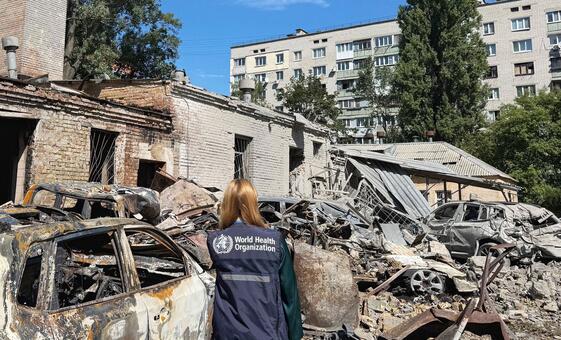
UN reports cite Ukrainian authorities confirming at least 12 civilian deaths and over 65 injuries from nationwide attacks in the past day, with frontline regions suffering the most severe impact.
Hey everyone. Let's talk about something serious for a moment. It's the kind of news that makes you put your coffee down and just sit with it. We're seeing reports coming in that are a stark reminder of what's happening on the ground in conflict zones right now.
According to the latest update from UN humanitarian coordination officials, citing Ukrainian authorities, the past 24 hours have been devastating. They report that attacks across the country have resulted in the deaths of at least 12 civilians. More than 65 others were injured. The numbers are hard to read, aren't they? But behind each one is a person, a family, a story cut short or forever changed.
### The Frontline Regions Bear the Brunt
The reports are particularly grim for the frontline regions. These are the areas where the conflict's intensity is most concentrated. Communities living there are facing the immediate and terrifying reality of the fighting. It's not abstract for them; it's the sound of shells, the damage to their homes, the constant fear for their children's safety. The human toll in these zones is disproportionately high, and yesterday's attacks underscore that brutal fact.
Think about what that means on a practical level. These aren't military targets; they're towns, cities, and villages where people are just trying to live. When infrastructure is hit—hospitals, schools, power stations—the crisis deepens exponentially. Recovery becomes a distant dream when the basic systems for survival are under direct fire.
### Understanding the Scope of Civilian Harm
Let's break down what 'civilian casualties' really involves. It's a term we hear often, but it encompasses a wide range of human suffering:
- **Immediate loss of life**: The 12 individuals reported killed.
- **Serious physical injury**: The 65+ people wounded, many of whom will require extensive, long-term medical care.
- **Psychological trauma**: The invisible wounds inflicted on survivors, first responders, and entire communities witnessing violence.
- **Displacement**: Attacks force people to flee their homes, becoming internally displaced or refugees overnight.
- **Loss of livelihood and property**: Homes and businesses are destroyed, wiping out economic security in an instant.
The ripple effects of a single attack can destabilize a community for generations. It's not just about the immediate moment of impact; it's about the long, difficult road that comes after.
### The Role of International Reporting and Verification
You might wonder, how do we get these figures? The process is meticulous and, frankly, heartbreaking. UN agencies and local authorities work to verify each incident. They cross-reference reports, gather eyewitness accounts where possible, and assess damage. It's a painstaking effort to document the truth in the fog of war. Often, the initial numbers are revised as more information comes to light, and tragically, they sometimes increase.
This verification is crucial. It's not about statistics for statistics' sake. It's about accountability. It's about building a historical record. And most immediately, it's about guiding humanitarian response—knowing where the need is most acute so aid can be directed effectively.
### The Human Impact Beyond the Headlines
We talk about numbers, but let's remember the human scale. One of those 12 could have been a teacher. Another, a local shopkeeper. Another, a parent putting their child to bed. The 65 injured face surgeries, rehabilitation, and the challenge of rebuilding their lives with new physical limitations.
For the professionals reading this—analysts, strategists, responders—you know the data is only the entry point. The real work is understanding the human systems that are shattered: the supply chains for medicine, the networks of social support, the local economies that grind to a halt. Conflict disrupts everything.
It's easy to feel helpless reading updates like this. The scale of the suffering can be overwhelming. But understanding the precise cost is the first step toward any meaningful action, whether that's advocacy, support for humanitarian corridors, or backing organizations that provide direct aid on the ground.
The takeaway today isn't just a report of casualties. It's a window into the ongoing, grinding reality for millions. It's a call to pay attention, to not let the news become just background noise. The frontline toll is a human toll, and it demands our witness.