The Human Cost of Conflict: A Single Day's Toll
Sarah Jenkins ·
Listen to this article~4 min
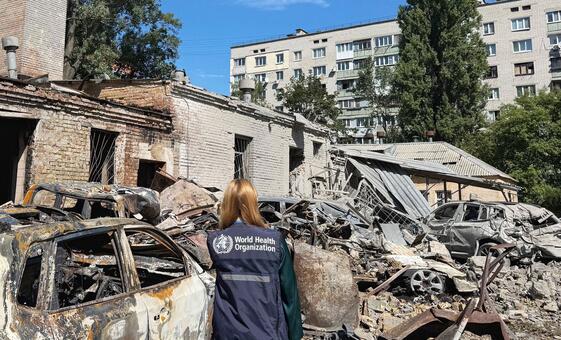
A UN report details a devastating 24-hour period in Ukraine, with at least 12 civilians killed and over 65 wounded. Frontline communities suffered the most severe impacts.
It's a Friday update that stops you in your tracks. A stark reminder that beyond the strategic maps and political statements, conflict has a very human face. According to a report from the UN Office for the Coordination of Humanitarian Affairs, based on information from Ukrainian authorities, the past 24 hours brought devastating news.
At least 12 civilians lost their lives, and more than 65 others were wounded in attacks across the country. These aren't abstract numbers on a screen. They're people. Fathers, mothers, sons, daughters, friends, and neighbors.
### The Frontline Regions Bear the Brunt
The report highlights a grim reality we see time and again. The areas closest to the fighting lines, the so-called frontline regions, suffered the most severe impacts. It’s a pattern that underscores the vulnerability of communities caught in the crossfire. Infrastructure crumbles, daily life grinds to a halt, and the constant threat looms over every simple task, from getting bread to going to work.
Think about that for a second. For those living there, the sound of a siren isn't just a noise—it's a signal to drop everything and seek shelter. The concept of a 'safe zone' becomes relative, if it exists at all.
### Breaking Down the Human Impact
When we hear '12 killed, 65 wounded,' it's easy for the mind to gloss over it. We need to pause and consider what that truly represents.
- **Lost Lives:** Twelve stories ended prematurely. Twelve families shattered, facing a grief that will never fully heal.
- **Physical Injuries:** Sixty-five people dealing with pain, recovery, and potentially lifelong disabilities. The road back from a severe injury is long, expensive, and fraught with challenges, especially when medical systems are under immense strain.
- **Psychological Trauma:** The number of wounded doesn't account for the invisible scars. For every person physically hurt, countless others—children, the elderly, first responders—carry the psychological weight of fear, anxiety, and loss. This trauma can echo for generations.
It’s a cascade of suffering that extends far beyond the immediate moment of an attack.
As one aid worker on the ground recently noted, 'Our metrics are lives interrupted, childhoods stolen, and futures put on hold. The numbers only tell part of the story.' This sentiment hits home. The data gives us scale, but the individual stories give it meaning—and a human urgency we cannot ignore.
### The Ripple Effects on Community and Infrastructure
The damage isn't contained to the immediate casualties. A single strike can disable a power plant, leaving thousands without heat in freezing temperatures. It can destroy a water treatment facility, creating a public health crisis. It can level a school, robbing an entire community of its place of learning and normalcy.
These attacks create a domino effect. No electricity means no lights, often no communication, and spoiling food. No clean water means disease can spread rapidly. No school means a generation's education is disrupted, affecting their prospects for years to come. The cost of rebuilding isn't just in dollars; it's in time, stability, and lost opportunity.
### The Constant Work of Humanitarian Response
In the shadow of these events, humanitarian organizations work around the clock. Their mission is monumental: evacuating the wounded, providing emergency medical care, distributing food and clean water, offering psychosocial support, and helping people find shelter. They operate in incredibly dangerous conditions, guided by principles of neutrality and impartiality.
They're the ones navigating shattered roads to deliver aid, setting up mobile clinics in basements, and offering a comforting word amidst the chaos. Their work is a testament to human resilience and compassion in the face of overwhelming adversity. Yet, as each new day brings fresh reports of casualties, the need continues to outpace the resources.
This Friday's report is more than a news bulletin. It's a sobering checkpoint. A measure of a single day's suffering in an ongoing tragedy. It reminds us that behind every headline, there are real people paying the highest price. Their need for safety, medical care, and basic human dignity remains urgent and absolute.