The Human Cost of Conflict: A Tragic Update from Ukraine
Julia Braun ·
Listen to this article~4 min
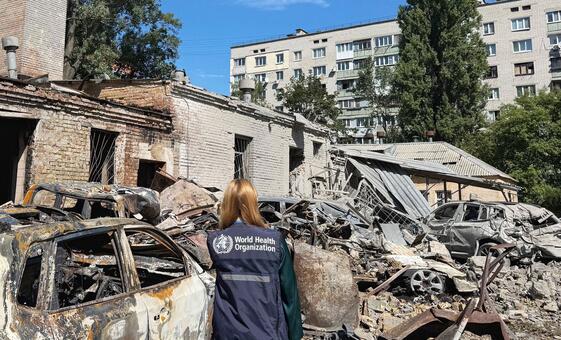
A UN report cites Ukrainian authorities, stating at least 12 civilians were killed and over 65 wounded in attacks across the country in a single day, with frontline regions suffering most heavily.
Let's talk about something that's heavy, but important. It's one of those news stories that makes you pause, you know? You see the headline, and for a moment, the rest of the world just fades away. It's about the human toll, the real people caught in the middle of a conflict that feels so distant for many of us, yet is devastatingly close for others.
Just this Friday, a sobering report came through from the UN Office for the Coordination of Humanitarian Affairs, citing Ukrainian authorities. The numbers are hard to digest. In the span of just one day, attacks across the country claimed the lives of at least 12 civilians. More than 65 others were wounded. That's not just statistics on a page. That's families shattered, communities grieving, and lives irrevocably changed.
### The Frontline Regions Bear the Brunt
It's no surprise, but it's a heartbreaking reality—the areas closest to the fighting are suffering the most. These frontline regions are where the conflict isn't a distant echo on the news; it's a daily, terrifying presence. Homes, schools, hospitals—places that should be sanctuaries—are instead becoming scenes of loss. The people living there are facing dangers most of us can't even begin to imagine, just trying to get through another day.
We often hear about military strategy and territorial gains in the news. But we hear less about the shopkeeper who lost his business, the parents who lost a child, or the elderly couple who lost their home of fifty years. These are the stories behind the numbers. It's a stark reminder that in any conflict, the most vulnerable often pay the highest price.
### Understanding the Scope of Civilian Harm
Why does this keep happening? It's a complex question with no easy answers, but a few key points are worth considering:
- **Urban Warfare:** Fighting in and around cities inevitably puts civilians at extreme risk. There's no clear frontline, and danger can come from any direction.
- **Critical Infrastructure Attacks:** When power grids, water systems, or hospitals are targeted, the impact ripples through the entire civilian population, causing suffering far beyond the initial blast.
- **The Challenge of Evacuation:** For many, leaving isn't an option. Lack of resources, disabled or elderly family members, or simply nowhere safe to go can trap people in harm's way.
- **The Lingering Threat:** Even after active fighting moves on, unexploded ordnance and damaged buildings continue to pose deadly risks for years.
It's a multifaceted problem that requires a multifaceted response, one that prioritizes human safety above all else.
### The Ripple Effects Beyond the Headlines
The impact doesn't stop at the immediate casualties. Think about it. Every person injured needs medical care in a system that's already stretched beyond its limits. Every life lost leaves a hole in a family and a community. Neighbors become refugees, children miss years of schooling, and the psychological trauma will echo for generations.
As one aid worker on the ground recently put it, 'We're not just treating wounds; we're trying to mend the fabric of a society.' That's a powerful thought. It's about more than emergency bandages; it's about the long, difficult road to recovery that lies ahead for millions.
It's easy to feel helpless when reading news like this. The scale of the problem feels overwhelming. But understanding is the first step. Acknowledging the human cost, the individual stories behind the statistics, is what keeps our compassion alive. It's what reminds us that behind every policy decision and every news update, there are people just trying to live their lives in peace. Our thoughts, our awareness, and our support for humanitarian efforts matter. They connect us to that shared hope for a safer tomorrow, no matter where we are.