The Human Cost of Conflict: A Daily Tally from Ukraine
David Maxwell ·
Listen to this article~4 min
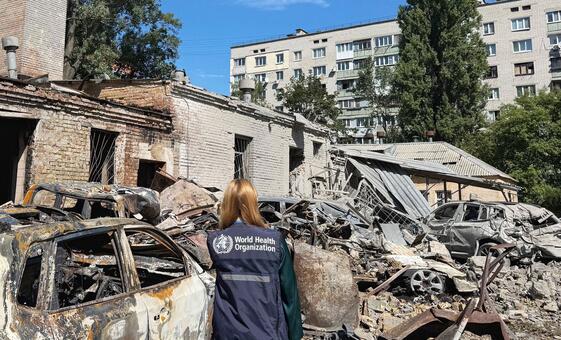
UN reports at least 12 civilians killed and over 65 injured in Ukraine over 24 hours, with frontline regions suffering the most intense attacks, highlighting the ongoing human toll of the conflict.
It's a tough reality to face every morning, but one that's become part of the daily rhythm in Ukraine. The numbers come in, and they're more than just statistics. They're people. They're families. They're communities. I was reading the latest report from the UN Office for the Coordination of Humanitarian Affairs (OCHA), and the weight of it just sits with you. In just the last 24 hours, the situation on the ground has escalated again, with civilian areas bearing the brunt of renewed attacks.
### The Latest Figures from the Frontlines
The data, provided by Ukrainian authorities, is stark. At least 12 civilians lost their lives, and more than 65 others were injured in strikes across the country. That's a single day. Think about it for a second. That's a dozen lives, each with their own story, extinguished. It’s a harsh reminder that conflict doesn't just happen on a map; it happens in neighborhoods, on roads, and in homes that should be safe havens. The impact is immediate and devastating, and the ripple effects will last for generations.
What really stands out is the geographical concentration of the suffering. The report highlights that the frontline regions have been hit the hardest. These are areas where people have already endured so much, living under constant threat, and now they're facing an even more intense wave of violence. It’s not just infrastructure that's being targeted; it's the very fabric of daily life.
### Understanding the Context Behind the Headlines
It's easy to see a headline and move on. But for professionals analyzing these situations, we have to dig deeper. What does this mean for the operational environment? For supply chains? For humanitarian access? The targeting of civilian areas creates a cascade of challenges:
- It severely complicates evacuation and rescue efforts for first responders.
- It destroys critical civilian infrastructure, cutting off power, water, and communication.
- It creates massive new waves of internal displacement, overwhelming support systems.
- It makes the delivery of aid—food, medical supplies, shelter—incredibly dangerous and logistically complex.
This isn't just about military strategy; it's about a fundamental breakdown in the rules of war that are supposed to protect non-combatants. As one analyst I spoke to recently put it, "When the front line blurs into the hometown, the calculus of survival changes completely. Every trip to the market, every attempt to get to work, becomes a life-or-death decision."
### The Ripple Effects Beyond the Immediate Zone
The consequences don't stop at the explosion's epicenter. Think about the medical personnel rushing to treat the injured with dwindling supplies. Consider the psychological toll on children who hear air raid sirens as part of their daily routine. For businesses and professionals trying to operate, the uncertainty is paralyzing. How do you plan for tomorrow when today is so violently unpredictable?
This daily tally of loss underscores a brutal truth: the human cost is the most enduring metric of any conflict. While strategists talk about territorial gains and diplomatic maneuvers, the ground truth is measured in lives cut short and communities shattered. The international response, the aid corridors, the ceasefire negotiations—they all hinge on this simple, awful arithmetic of human suffering reported day after day.
For those of us watching and analyzing from afar, our job is to ensure these numbers are never seen as just data points. They are a call to understand the full scope of the crisis, to advocate for protected humanitarian corridors, and to support the organizations working tirelessly on the ground. The story from Ukraine isn't just about geopolitics; it's a daily chronicle of resilience in the face of unimaginable hardship, and a sobering look at what happens when conflict comes home.