The Human Cost of Conflict: UN Reports New Casualty Figures
Sarah Miller ·
Listen to this article~4 min
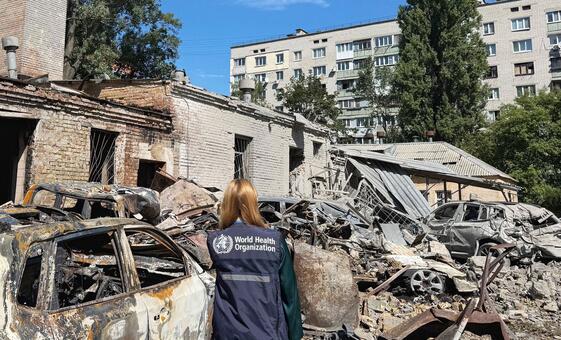
A new UN report details civilian casualties in Ukraine, with at least 12 killed and 65 wounded in recent attacks, highlighting the severe impact on frontline communities.
The news from conflict zones often comes as stark numbers, but behind each digit is a life, a family, a story cut short. This Friday, the UN Office for the Coordination of Humanitarian Affairs (OCHA), citing Ukrainian authorities, reported sobering figures from the past 24 hours. It's a grim reminder that the impact of warfare is measured in human terms, not just territorial gains or losses.
### Understanding the Latest Report
According to the UN's update, attacks across Ukraine resulted in at least 12 civilian fatalities and more than 65 people wounded. These aren't just statistics—they're neighbors, parents, children. The report specifically highlights that frontline regions bore the brunt of this violence. It makes you think, doesn't it? About the sheer scale of disruption, the fear that becomes a daily companion for those living in these areas.
We often talk about strategy and geopolitics, but moments like these pull the focus back to the ground level. The human cost is the most immediate, tangible outcome of any conflict. For professionals analyzing situations, these numbers represent critical data points on humanitarian needs, displacement patterns, and the strain on medical infrastructure.
### The Ripple Effects Beyond the Headline
When we see a figure like "65 wounded," it's easy to underestimate what that truly entails. Let's break that down a bit:
- **Hospital Systems:** Each injured person requires immediate medical attention, stretching already fragile healthcare systems.
- **Long-Term Care:** Many injuries will require months or years of rehabilitation, creating lasting personal and economic burdens.
- **Psychological Trauma:** The psychological impact on survivors, witnesses, and first responders is profound and often overlooked in initial reports.
- **Community Disruption:** Casualties disrupt social networks, local economies, and community cohesion in ways that last far beyond the immediate incident.
It's like throwing a stone into a pond—the initial splash is visible, but the ripples spread out much further than you'd initially expect. For communities on the front lines, this isn't an abstract concept; it's their daily reality.
### Why This Data Matters for Professionals
You might wonder why a report like this matters beyond the obvious humanitarian concern. For those working in related fields—whether in aid coordination, policy analysis, or risk assessment—these updates provide crucial context. They help map where resources are most urgently needed, where safe corridors should be established, and how to plan for emergency response.
The concentration of casualties in frontline regions tells a specific story about the nature of current hostilities. It suggests areas where civilian populations remain exposed despite ongoing conflict, highlighting potential failures in creating safe zones or evacuating vulnerable people. This isn't just about recording what happened; it's about informing what needs to happen next to prevent further loss.
As one aid worker recently noted, "Our job is to turn these numbers back into people in the minds of those who can make a difference." That's the challenge—maintaining the human connection behind the data.
### Looking Beyond the Immediate Crisis
Friday's report, while specific to a 24-hour period, fits into a larger, tragic pattern. Each day of conflict adds to a cumulative toll that will take generations to fully address. The rebuilding of homes, the healing of wounds (both physical and psychological), and the restoration of communities begin with acknowledging the true cost documented in reports like these.
For anyone following these developments, the takeaway is clear: behind every strategic update or geopolitical analysis, there's a human reality that demands attention. The work of organizations like OCHA in compiling and sharing this data is vital—not just for coordinating today's response, but for shaping tomorrow's recovery. And that's something worth remembering, no matter where your professional focus lies.