The Human Cost Escalates in Ukraine's Frontline Regions
Robert Johnson ·
Listen to this article~4 min
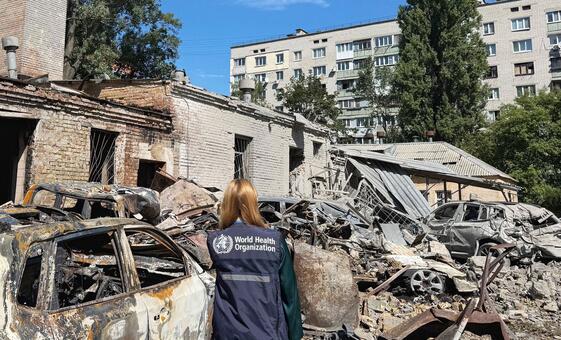
UN reports confirm a sharp rise in civilian casualties in Ukraine, with at least 12 killed and over 65 wounded in recent attacks. Frontline regions are suffering disproportionately.
The latest reports emerging from Ukraine paint a stark and somber picture of the ongoing conflict's human toll. It's a grim reminder that behind the strategic maps and geopolitical analysis, real lives are being irrevocably changed every single day.
### The Latest Figures from the Ground
According to the United Nations Office for the Coordination of Humanitarian Affairs (OCHA), referencing Ukrainian authorities, attacks across the country over a 24-hour period have resulted in at least 12 civilian fatalities. More than 65 people were wounded. These aren't just numbers on a page; each represents a person, a family, a community shattered. The data comes with a sobering caveat—these are the *confirmed* figures, and the actual toll could be higher as information continues to come in from the hardest-hit areas.
We often talk about the conflict in terms of territorial gains or losses, but it's moments like these that force us to confront the raw, human reality. It's not about abstract concepts of sovereignty or security; it's about homes destroyed, futures stolen, and a pervasive grief that will linger for generations. The rhythm of life in these regions has been completely disrupted, replaced by the constant, terrifying cadence of air raid sirens and explosions.
### Frontline Communities Bear the Brunt
The report highlights that the frontline regions have been particularly devastated. These are the towns and villages closest to the active fighting, where people are caught in a terrifying limbo. For the residents who remain—often the elderly, the infirm, or those with nowhere else to go—daily survival is an act of immense courage.
Life there has been reduced to its most basic elements:
- Finding safe shelter during bombardments
- Scavenging for food and clean water
- Navigating destroyed infrastructure just to get medical help
- Enduring psychological trauma that's as damaging as any physical wound
The international humanitarian response is monumental, but the challenges are equally vast. Delivering aid across active frontlines is perilous work, and the needs consistently outpace the resources available. It creates a heartbreaking scenario where help is often visible but just out of reach for those who need it most.
### A Perspective on the Ongoing Crisis
As someone who analyzes travel and destinations, looking at this level of human suffering is a profound shift in perspective. We typically discuss the beauty of a city's architecture or the charm of a local culture. Here, the conversation is about which buildings are still standing and whether a community has access to a functional hospital. It underscores how fragile the normalcy we take for granted truly is.
This latest update isn't an isolated incident. It's part of a relentless pattern that has continued for months. Each new report of casualties adds another layer to a deep national trauma. The road to recovery, whenever it begins, will be unimaginably long. Rebuilding cities is one thing; healing the psychological wounds of a population is another task entirely.
For those of us watching from afar, it's easy to become numb to the headlines. The key is to remember the individual stories within the statistics. The 12 lives lost. The 65 people now facing life-altering injuries and the arduous path to rehabilitation. Their stories are the true measure of this conflict's cost, far beyond any economic or political calculation. The international community's role isn't just about providing aid; it's about bearing witness and ensuring that this human suffering remains at the forefront of the global conscience, driving the pursuit of a lasting peace.