The Human Cost of Escalating Attacks in Ukraine
Amanda Moore ·
Listen to this article~3 min
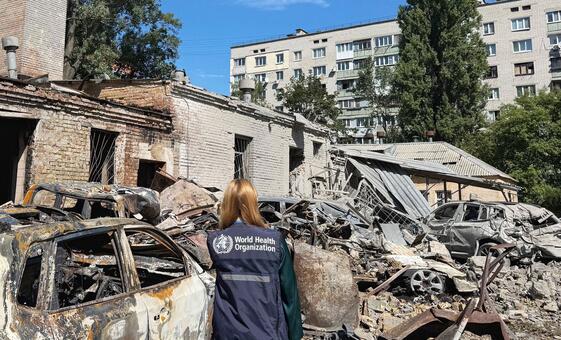
UN reports confirm a devastating 24 hours in Ukraine, with at least 12 civilians killed and over 65 wounded in widespread attacks. Frontline regions are suffering the most.
If you're trying to understand the current landscape in Ukraine, the latest reports paint a grim and urgent picture. It's not just about territory or military strategy anymore. The real story, the one that demands our attention, is happening in cities and towns far from the headlines. According to information released this Friday from the UN Office for the Coordination of Humanitarian Affairs, the last 24 hours have been devastating. We're talking about attacks that have swept across the country, leaving a trail of civilian casualties that's hard to comprehend.
### The Latest Figures Are a Stark Reminder
The numbers are more than just statistics; they represent families, homes, and shattered communities. Authorities in Ukraine report that at least 12 civilians have been killed, with more than 65 others wounded. That's over 75 people whose lives were irrevocably changed in a single day. When you stop to think about it, that's a staggering human toll for such a short period. The attacks weren't isolated to a single front. They occurred in various locations, indicating a widespread pattern of violence impacting everyday people going about their lives.
### Frontline Regions Bear the Heaviest Burden
It probably comes as no surprise, but the areas closest to the active fighting are suffering the most. These frontline regions are caught in the crossfire, facing the constant threat of shelling and aerial assaults. Infrastructure is damaged, essential services are disrupted, and the simple act of finding safety becomes a daily challenge for residents. The humanitarian situation there is increasingly dire, with access for aid groups often limited and dangerous. The ripple effects of these attacks stretch for miles, creating pockets of acute need that are difficult to reach and even harder to alleviate.
So, what does this mean on the ground? Let's break it down:
- **Immediate Aftermath**: Emergency services are stretched thin, dealing with search and rescue, medical triage, and clearing debris.
- **Long-Term Impact**: Beyond the immediate injuries, there's the psychological trauma and the displacement of families who have lost everything.
- **Resource Strain**: Hospitals and shelters are operating beyond capacity, while supplies of medicine, food, and clean water are under constant pressure.
The UN's role in coordinating the response is critical, but the challenges are immense. They work to verify these tragic reports and mobilize international support, but the scale of need often outpaces the speed of aid. It's a complex, heartbreaking situation that evolves by the hour. For professionals analyzing these developments, the key takeaway is the undeniable and growing humanitarian crisis. The conversation needs to focus on the civilian cost—the lost lives, the injuries, and the communities struggling to survive. As one aid worker recently noted, 'Our data points to a clear trend: when fighting intensifies in populated areas, civilian casualties rise exponentially. It's a predictable, and preventable, tragedy.' Looking ahead, the trajectory is concerning. Without a significant de-escalation, these reports of loss are likely to continue, placing an even greater burden on local resilience and international relief efforts. The story here is one of resilience under fire, but also of an urgent need for protection and support for those caught in the middle.