The Human Cost in Frontline Communities
Evelyn Reed ·
Listen to this article~4 min
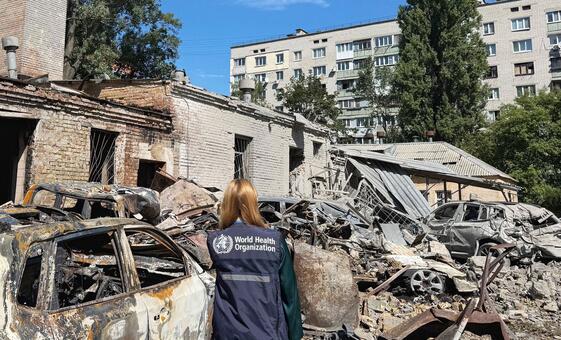
A recent humanitarian update reports at least 12 civilians killed and over 65 wounded in attacks across Ukraine in 24 hours, with frontline communities suffering the most severe impact.
It's one of those reports that makes you put your coffee down and just sit with it for a moment. The latest humanitarian update, referencing Ukrainian authorities, carries a heavy toll. Over a 24-hour period, attacks across the country resulted in the deaths of at least 12 civilians. More than 65 others were wounded. The numbers are stark, but they're also people. They're neighbors, parents, friends caught in a reality far removed from the safety many of us take for granted.
And as is so often the case, the communities closest to the fighting lines bore the brunt of it. The front-line regions suffered the most. It's a grim, repeating pattern that underscores a fundamental truth in conflict zones. The immediate danger of active combat is only one layer. The constant threat to daily life—to going to the market, to staying in your home—creates a different, sustained kind of pressure.
### Understanding the Ripple Effects of Violence
When we hear casualty figures, it's easy for them to become abstract. We process the data, but the human context can get lost. Let's pull that context back to the forefront. Each number represents a life interrupted, a family shattered, a community grieving. For the professionals working in resilience and humanitarian support—our readers—this isn'tt just news. It's the landscape you operate in.
Think about the infrastructure that's likely impacted. We're talking about homes, hospitals, schools, and power lines. The disruption isn't just physical. It's psychological, economic, and social. The trauma reverberates long after the immediate crisis is over, affecting mental well-being and community cohesion for years to come.
### The Critical Role of Frontline Support
So, what does this mean for the work you do? It reinforces the absolute necessity of targeted, localized support. Aid and expertise can't be generic. The needs in a town that's been shelled are intensely specific and urgent. They require a deep understanding of both the immediate practicalities and the long-term healing process.
Here’s what effective response in these areas often hinges on:
- Rapid needs assessment that goes beyond supplies to gauge safety and psychosocial needs
- Coordination with local authorities and community leaders who know the terrain
- Ensuring access to basic necessities: clean water, medical care, and safe shelter
- Creating pathways for mental health and psychosocial support from day one
It’s a massive, multi-layered challenge. One that demands not just resources, but immense empathy and adaptability.
### A Quote on Resilience
I'm reminded of something a colleague who works in disaster zones once told me. It stuck with me. She said, *"Resilience isn't about bouncing back to how things were. It's about the painful, courageous work of building something new from the pieces that are left."* That’s the work happening in these frontline regions every single day. It's done by local heroes, by international NGOs, and by specialists applying their skills in the most difficult circumstances imaginable.
The report from Friday is a sobering snapshot. It’s a reminder of the cost. But for those in the field, it’s also a call. A call to continue the meticulous, compassionate work of providing safety, dignity, and a foundation for that new building to begin. That’s the part of the story that doesn't always make the headline, but it's the part that truly matters in the long run.