The Human Cost of Recent Attacks in Ukraine
Jessica Taylor ·
Listen to this article~4 min
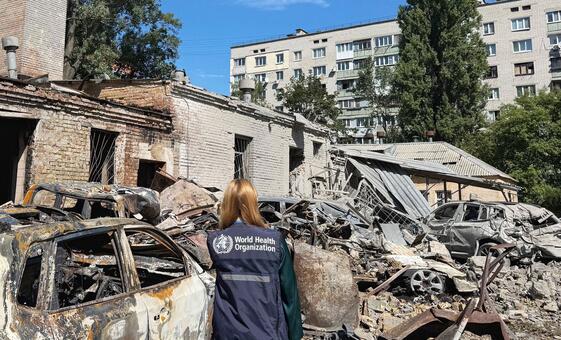
UN reports confirm a tragic 24 hours in Ukraine, with at least 12 civilians killed and over 65 wounded in recent attacks, highlighting the severe impact on front-line communities.
Let's talk about something that's heavy on my heart today. I was reading the latest reports, and honestly, it's hard to process the numbers when you stop to think about the real people behind them. The UN's Office for the Coordination of Humanitarian Affairs, referencing Ukrainian authorities, just shared a devastating update from Friday. It's a stark reminder of the ongoing human toll that extends far beyond headlines and political briefings.
Over the last 24-hour period, attacks across the country have resulted in the tragic loss of at least 12 civilian lives. More than 65 others were wounded. These aren't just statistics, you know? They're parents, children, neighbors—people whose lives have been irrevocably changed in an instant. The scale of the impact is something we can't afford to become numb to.
### Understanding the Geographic Impact
While the violence was widespread, the reports indicate that front-line regions bore the brunt of the suffering. These are communities already living under immense pressure, facing daily uncertainty. When you're that close to active conflict, the concept of safety becomes fragile. Infrastructure is often already damaged, making emergency response more difficult and increasing the vulnerability of everyone there.
It makes you think about the ripple effects. Beyond the immediate casualties, these attacks disrupt everything. They halt the delivery of essential supplies, they close schools and hospitals, and they force families into impossible decisions about whether to stay or flee. The trauma layers on top of the physical destruction, creating a crisis that will take generations to heal.
### The Critical Role of Humanitarian Coordination
This is where the work of organizations like the UN OCHA becomes so vital. Their job is to cut through the chaos, verify information from local authorities, and paint an accurate picture of the needs on the ground. This data isn't just for reports; it directs where aid goes, how resources are allocated, and which communities get help first. In a situation this fluid, having a clear, coordinated response can literally mean the difference between life and death.
They're trying to track things like:
- The number of people displaced by the latest shelling
- Which medical facilities are still operational and what supplies they need
- The status of critical utilities like water and power
- Safe corridors for evacuating the wounded and delivering food
Without this coordinated lens, the response would be fragmented and less effective. It's a monumental task, undertaken in incredibly dangerous conditions.
### Looking Beyond the Immediate Headline
We have to remember that a single day's report is just a snapshot. The cumulative effect of months, and now years, of this is almost incomprehensible. The psychological impact on survivors, the children growing up in shelters, the total economic devastation—these are the longer-term challenges that will define the region's future.
I often wonder about the resilience of the human spirit in places like this. The capacity to endure, to help a neighbor, to rebuild a sense of normalcy amidst such abnormality. It's humbling. Our role, from afar, isn't just to be passive observers of these updates. It's to stay informed, to understand the context, and to support the legitimate humanitarian efforts that are trying to alleviate this suffering.
It's easy to feel helpless when you see news like this. But awareness is the first step. Understanding the human cost, not just as a number but as a collective tragedy, reminds us of our shared responsibility. The conversation shouldn't end when the news cycle moves on. The need certainly doesn't.
As a final thought, consider this perspective from a former aid worker I once read: **"In war, statistics are people with the tears wiped off."** It's a poignant way to remember that behind every data point in these official reports is a story of profound loss and a life interrupted. Our job is to not look away.