The Human Cost in Ukraine's Frontline Regions
Sophie Smit ·
Listen to this article~4 min
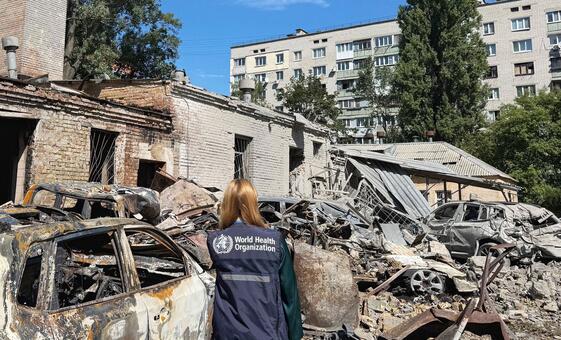
UN reports confirm at least 12 civilians killed and over 65 wounded in Ukraine over 24 hours, with frontline regions suffering the most severe impact from the latest attacks.
It's Friday, and the news coming from the United Nations Office for the Coordination of Humanitarian Affairs is heavy. According to Ukrainian authorities, attacks across the country over the last day have claimed the lives of at least 12 civilians. More than 65 others were wounded. It's a stark reminder of the ongoing reality for millions, and it hits hardest in the frontline regions.
These aren't just numbers on a screen. They're people. They're families who were trying to live their lives in the midst of a conflict they didn't ask for. The UN's reports are based on verified data from local authorities, painting a grim picture of the daily toll. When we talk about frontline regions, we're talking about towns and villages that have become synonymous with resilience under unimaginable pressure.
### Understanding the Frontline Reality
What does it mean to live in a frontline region? It's a world away from the daily concerns most of us face. Infrastructure is constantly under threat. Access to basic necessities—clean water, reliable electricity, medical care—is a daily struggle, not a given. The sound of air raid sirens isn't an occasional test; it's a frequent and terrifying part of the background noise of life.
The human impact is layered. Beyond the immediate casualties from attacks, there's the grinding strain on everything else:
- Constant displacement as families are forced to move repeatedly for safety
- Severe psychological trauma, especially for children growing up in this environment
- The collapse of local economies and the means for people to support themselves
- A healthcare system pushed far beyond its breaking point
These communities are bearing a burden that's difficult for outsiders to fully comprehend.
### The Ripple Effects of Conflict
A single attack creates waves that spread far and wide. For every person injured, there's a family thrown into crisis. For every life lost, there's a circle of grief that will last forever. The wounded face long roads to recovery, often without adequate medical facilities or resources. The damage to homes, schools, and hospitals sets back recovery efforts by months, if not years.
And it's not just about the immediate moment. These attacks deepen the humanitarian crisis in tangible ways. They make it harder for aid conagencies to operate safely. They destroy the very roads and bridges needed to deliver food and medicine. They create new waves of internal displacement, adding pressure to already overwhelmed host communities further from the front lines.
As one aid worker recently noted, 'We're not just patching up buildings; we're trying to hold together the fabric of entire communities.' The work is as much about providing hope and a sense of normalcy as it is about delivering physical aid.
### Why This News Matters Now
You might wonder why a single day's report deserves attention. It's because each report is a data point in a much larger, tragic trend. It underscores the ongoing vulnerability of civilian populations despite repeated calls for their protection under international law. It reminds the world that the conflict continues to extract a terrible price long after the headlines have moved on.
For those of us watching from afar, it's a call to remember the human dimension behind the geopolitical discussions. It's about recognizing that stability and peace aren't abstract concepts—they're the difference between a child going to school and a family mourning a loss. The resilience of the Ukrainian people is extraordinary, but it's being tested every single day, especially in those frontline areas where the war feels closest.
The path forward is fraught, but understanding the true cost is the first step toward meaningful support and, ultimately, a lasting peace. Our attention, our empathy, and our continued support for humanitarian efforts are some of the few things we can offer from a distance.