The Human Cost of Urban Strikes: A Daily Tally Emerges
James Moore ·
Listen to this article~4 min
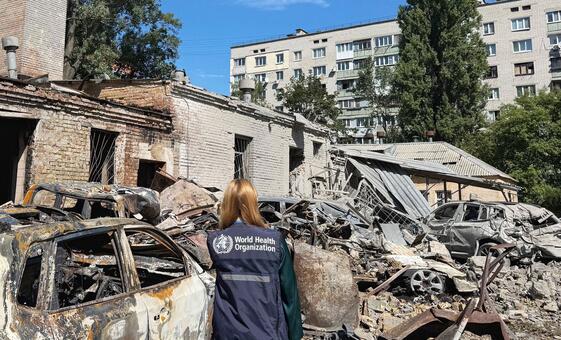
A UN report citing Ukrainian authorities details a sharp rise in civilian casualties, with at least 12 killed and over 65 wounded in recent attacks, highlighting the severe toll on frontline regions.
You know, sometimes the headlines just hit differently. You read the numbers, and they're just that—numbers. But behind each one is a story, a family, a life completely upended. It's a stark reminder of what's really at stake when conflict escalates.
According to the latest report, the toll from attacks across the country over the past day is deeply sobering. The UN Office for the Coordination of Humanitarian Affairs, citing Ukrainian authorities, has confirmed a significant impact on civilians. It’s the kind of update that makes you pause and think about the sheer scale of the disruption.
### Understanding the Immediate Impact
Let's break down what that report actually means on the ground. We're talking about at least 12 civilians who lost their lives. That's 12 communities, 12 circles of friends and family, dealing with an unimaginable loss. And then there are the more than 65 people who were wounded. Their lives have been physically and emotionally altered in an instant. The recovery for them, both in terms of medical care and trauma, is a long road ahead.
It’s not just about the immediate moment of the attack. It’s about the aftermath. Hospitals are stretched, emergency services are pushed to their limits, and the psychological toll on entire towns is immense. This isn't a distant geopolitical issue; it's a very human crisis unfolding hour by hour.
### The Frontline Regions Bear the Brunt
Unsurprisingly, the areas closest to the active fighting are suffering the most. These frontline regions are caught in a terrible position. The report specifically highlights that they have been "especially hard hit." For the people living there, the danger isn't an abstract concept—it's the sound of incoming shells, the shattered windows, and the constant, grinding anxiety about what the next hour might bring.
Life in these zones has been completely reconfigured around survival. Basic routines—going to the market, taking kids to school, visiting neighbors—become perilous activities. Infrastructure, already strained by years of tension, is being degraded further, making everyday resilience a monumental task for the residents.
- **Shattered Normalcy:** The concept of a safe home is eroded.
- **Strained Resources:** Access to food, water, and medical supplies becomes a daily challenge.
- **Continuous Displacement:** Many are forced to make the heart-wrenching decision to leave everything behind.
As one aid worker on the ground recently noted, *"Our job isn't just about delivering supplies anymore. It's about providing a semblance of stability in a world that feels like it's crumbling around these communities every single day."* That quote really sticks with you, doesn't it? It frames the response not as a simple transaction, but as a vital act of human connection and support.
### The Ripple Effects Beyond the Blast Radius
We often measure impact in direct casualties, but the effects ripple out much farther. Think about the first responders—the firefighters, paramedics, and volunteers who rush toward the danger when everyone else is fleeing. Their courage is astounding, but the strain on them is relentless. Then there's the economic paralysis. Businesses shutter, supply chains snap, and local economies grind to a halt, creating a different kind of long-term vulnerability.
For professionals and analysts watching this, the data points matter. They inform risk assessments, humanitarian logistics, and strategic planning. But we can't let the data obscure the human reality it represents. Each number in that UN report is a person whose story was violently interrupted. Keeping that perspective is crucial, whether you're drafting a policy brief or just trying to understand the news. It's a heavy topic, but it's one that demands our clear-eyed attention and, where possible, our compassion.