The Human Cost of a Single Weekend: UN Briefing Reveals Stark Figures
Jessica Davis ·
Listen to this article~4 min
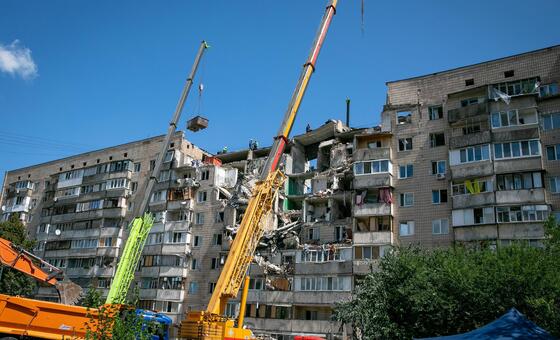
A UN briefing revealed devastating figures from a single weekend: approximately 60 civilians killed and over 240 wounded across Ukraine, according to ground-level humanitarian data.
Let's talk about a briefing that didn't get the front page headlines it should have. On a Monday in New York, a spokesperson stood before journalists and shared numbers that are hard to fully comprehend. They weren't about stock markets or sports scores. They were about human lives.
The data, coming directly from UN humanitarian staff on the ground and Ukrainian authorities, painted a grim picture of just one weekend. The scale of it can feel abstract until you break it down.
### The Numbers Behind the Headline
We're talking about approximately 60 civilian lives lost. Gone. Each one a person with a family, a story, a future that was abruptly ended. That's the equivalent of a small town's entire population being wiped out in 48 hours.
Then there are the more than 240 people who were wounded. Injured. Their lives permanently altered in an instant. Think about a crowd of 240 people – a large wedding, a packed conference hall. That many individuals, now dealing with physical and psychological trauma.
Stephane Dujarric, the UN Secretary-General's spokesperson, delivered these figures. His job is to relay facts, but the weight of these particular facts hangs heavy in the air. This isn't a historical report; this is a real-time accounting of ongoing tragedy.
### Why This Briefing Matters
You might wonder why we should focus on one official's statement. Here's the thing: it cuts through the noise. In a world of conflicting reports and information overload, the UN's humanitarian channels provide a crucial, verified baseline. They talk to the doctors treating the wounded, the aid workers distributing food, and the local officials counting the losses.
- It establishes a verified, non-partisan record of events.
- It informs the global humanitarian response and funding appeals.
- It creates accountability by putting stark numbers on the public record.
As one aid worker on the ground recently told a colleague, 'We don't report numbers, we report people. Each digit in our spreadsheets is a scream we heard, a blank stare we saw, a family we couldn't help enough.' That perspective reminds us what these figures truly represent.
### The Ripple Effect Beyond the Immediate Zone
The impact doesn't stop at the casualty count. Think about the infrastructure damaged – homes, hospitals, schools, power lines. Each attack creates a domino effect that disrupts lives for weeks and months afterward. People lose access to clean water, medical care, and safe shelter.
Communities are fractured. Local economies, already strained, grind to a halt. The psychological toll on survivors, especially children, is a crisis in itself that will require support for generations. When we hear '60 killed, 240 wounded,' we have to remember that's just the immediate, quantifiable tip of a much deeper iceberg of suffering.
### The Takeaway for a Global Audience
So what do we do with this information? First, we acknowledge it. We don't become numb to the repetition of tragic reports. These briefings exist to prevent the world from looking away. They are a call to conscience and, ultimately, a call to action for governments and individuals who can provide aid, advocate for peace, and support reconstruction.
It's easy to feel helpless from thousands of miles away. But awareness is the first step. Understanding the sheer human scale of a single weekend's violence, as coldly laid out in a New York briefing room, reminds us of the urgent need for solutions, for diplomacy, and for sustained humanitarian support. The numbers are staggering, but they are not just statistics. They are our collective responsibility.