The Human Cost of a Single Weekend's Violence
Michael Harrison ·
Listen to this article~3 min
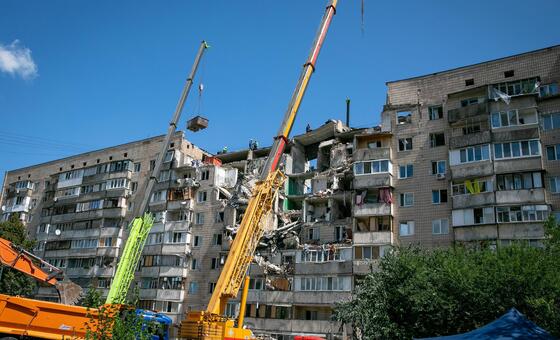
UN reports a devastating human toll from weekend attacks in Ukraine, with approximately 60 civilians killed and over 240 wounded, according to ground personnel and authorities.
The numbers, when you first hear them, can feel distant. Abstract, even. But behind every statistic is a person, a family, a community shattered. Over the past weekend, a wave of attacks across Ukraine resulted in a devastating human toll, a grim reminder of the ongoing conflict's brutal reality.
UN spokesperson Stéphane Dujarric delivered the sobering update from New York on Monday. Citing data from UN humanitarian workers on the ground and Ukrainian authorities, the briefing painted a stark picture of loss.
### The Scale of the Casualties
The figures are hard to process. Approximately 60 civilians lost their lives. More than 240 others were wounded. That's over 300 people whose lives were violently upended in just a matter of days. We're not talking about strategic targets or military installations here. These are people in their homes, on their streets, going about their lives.
Think about that for a second. It's a scale that's difficult to map onto our own daily experiences. It underscores the profound vulnerability of civilian populations caught in the crossfire of a protracted war. The humanitarian workers reporting these numbers are the ones navigating the rubble, coordinating medical aid, and witnessing the aftermath firsthand.
### The Source of the Report
This information comes with a specific weight because of its source. Stéphane Dujarric, speaking for the United Nations, relayed details gathered directly from personnel in the field. These aren't second-hand accounts or unverified social media posts. This is data compiled by international organizations and local authorities tasked with documenting the conflict's impact and providing relief.
The briefing in New York serves as a crucial link, bringing a localized tragedy onto the global stage. It's a formal, on-the-record confirmation of events that often get lost in the noise of daily news cycles. When the UN speaks on these matters, the world is meant to listen.
### The Lingering Aftermath
But the story doesn't end with the casualty count. For every person killed or injured, dozens more are affected—families mourning, communities in trauma, hospitals stretched beyond capacity. The infrastructure damage from such attacks creates a secondary crisis, limiting access to water, electricity, and heat, especially as temperatures drop.
The psychological toll is immense and long-lasting. It's the kind of collective trauma that takes generations to heal. And let's be clear, the work of the humanitarian agencies mentioned doesn't stop at counting. It continues in the field clinics, the distribution centers for food and blankets, and the efforts to provide safe shelter.
It's easy to become numb to headlines about conflict. The numbers start to blur together. But weekends like this one force a reckoning. They remind us that behind the geopolitical analysis and the strategic discussions, there is a relentless, human cost. A cost measured not in territory gained or lost, but in individual lives ended too soon and families forever changed.
As professionals, we often analyze trends, markets, and data. Sometimes, we need to pause and recognize the human data point—the sheer weight of a single weekend's violence. It's a sobering perspective that grounds abstract conflict in undeniable, personal loss.