The Human Toll Behind This Weekend's Headlines
Eleanor Vance ·
Listen to this article~4 min
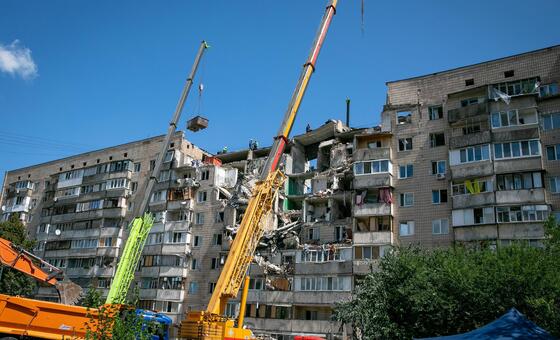
UN confirms a devastating human toll from weekend attacks in Ukraine, with approximately 60 civilians killed and over 240 wounded, according to ground reports and official data.
Sometimes, the hardest part about our work is seeing past the numbers to the real stories. You know what I mean. You're scrolling through updates, tracking the latest developments, and it's easy for the data to just become... data. This weekend's reports from Ukraine are a stark reminder of what those figures represent.
According to a UN briefing in New York on Monday, the human cost was devastating. Press Secretary Stéphane Dujarric, citing data from UN humanitarian staff on the ground and Ukrainian authorities, confirmed the sobering details. It's the kind of report that makes you pause, isn't it?
### The Scale of the Impact
When we talk about an attack, the immediate focus is often on the strategic outcome. But the immediate human impact is what truly defines the moment. This past weekend, across various regions of Ukraine, attacks resulted in the loss of approximately 60 civilian lives. More than 240 people were wounded. That's not just a statistic; that's hundreds of families, communities, and lives altered in an instant.
Think about it for a second. Sixty people. That's more than a full tour bus. It's several small town church congregations. Each number is a person with a name, a history, and a future that was cut short. The wounded, numbering in the hundreds, now face recovery in a situation where medical resources are stretched incredibly thin.
### Understanding the Source
The information came directly from the UN's primary spokesperson, drawing from the most credible sources available in a conflict zone: their own humanitarian personnel working tirelessly on the ground and the official reports from national authorities. This dual-source verification is crucial. It’s not hearsay or speculation; it's the painstaking work of people counting, verifying, and documenting in real-time, under incredibly difficult conditions.
Dujarric's briefing in New York serves as a formal channel to relay this verified, grim reality to the world. It underscores a fundamental truth in our line of work: reliable information is the bedrock of understanding. Without it, we're just guessing.
### The Ripple Effect Beyond the Immediate Zone
So, what does this mean for professionals like us, who analyze these events from a distance? First, it's a critical data point on civilian safety and the conduct of hostilities. Second, it signals immense pressure on Ukraine's emergency and medical services, which were already operating at capacity. The logistics of responding to hundreds of casualties across a wide area are staggering.
- **Emergency Response:** Local teams are dealing with triage, transport, and treatment for hundreds of injured, draining already limited supplies.
- **Humanitarian Aid:** Organizations on the ground must immediately recalibrate their efforts to address this surge in need for medical care, trauma support, and even basic shelter.
- **Psychological Toll:** For every person physically injured or killed, countless others—neighbors, first responders, aid workers—carry the psychological weight. The trauma of these events radiates far beyond the blast radius.
It's a cascade of challenges that starts with that first, terrible number.
As someone who spends their days parsing complex situations, I find it's helpful to remember the words of a relief worker I once spoke with. They said, *'Our reports are written in numbers, but our work is measured in people.'* This weekend's report from Ukraine is a heavy, painful example of exactly that. It's a reminder that behind every briefing, every update, and every strategic assessment, there's a human reality that demands our attention and, frankly, our respect. Our job is to understand the full picture, and that always includes the cost.