The Human Toll: Casualties Mount in Recent Regional Strikes
David Wilson ·
Listen to this article~5 min
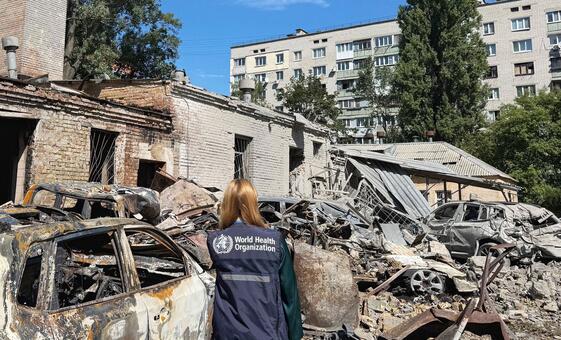
A UN report cites Ukrainian authorities confirming at least 12 civilian deaths and over 65 wounded in recent attacks, with frontline regions suffering the most severe impacts.
It's one of those updates that just hits you right in the gut. You know the feeling—when you see the latest news and it's not about strategy or territory, but about real people. According to a recent UN humanitarian coordination report, which itself cited Ukrainian authorities, the last 24 hours have been devastating. We're talking about a minimum of 12 civilian lives lost, with more than 65 others wounded. And as you might expect, the areas closest to the front lines are bearing the heaviest burden.
Let's pause on that for a second. That's not just a number. That's families, neighbors, people who were just trying to live their lives. It's a stark reminder of what's really at stake here, far beyond any political map. This isn't abstract; it's painfully, deeply human.
### Breaking Down the Latest Figures
When we get reports like this, it's easy for the numbers to blur together. But we have to slow down and look at what they mean. A dozen lives ended. Over five dozen people injured, some of them critically. Think about the scale of the medical response that requires—ambulances, doctors, supplies, all stretched thin in regions already under immense pressure. The logistical nightmare is almost as crushing as the initial impact.
Frontline communities are in a constant state of high alert, and this report confirms they're absorbing the worst of it. Their resilience is being tested every single day. Infrastructure damage complicates rescue efforts, making every minute count in a race to save lives. It's a brutal calculus that no one should have to face.
### The Ripple Effect of a Single Attack
We often focus on the immediate blast zone, but the effects ripple out for miles. Here's what that actually looks like on the ground:
- **Emergency Services Overload:** Local hospitals and first responders are pushed far beyond capacity, triaging the most severe cases.
- **Psychological Trauma:** The sound of sirens, the uncertainty, the loss—this builds a layer of collective trauma that lasts for generations.
- **Displacement:** Even those not physically injured are often forced to flee, becoming internally displaced overnight.
- **Supply Chain Collapse:** Basic necessities like food, water, and medicine become scarce, creating a secondary humanitarian crisis.
It's a cascade of challenges. Addressing the wounded is just the first, most urgent step in a very long and difficult process of recovery. The quote from a local volunteer I came across recently says it all: *"We are not just treating injuries; we are trying to mend a broken sense of normalcy."* That's the real work.
### Understanding the Humanitarian Reporting
You might wonder where a report like this comes from. The UN Office for the Coordination of Humanitarian Affairs (OCHA) acts as a central clearinghouse, verifying data from multiple sources on the ground. They coordinate the international response, trying to get aid where it's needed most. When they release numbers, it's after a painstaking process of confirmation—which means the actual toll could be even higher.
Their work is crucial because it cuts through the fog of information. They provide a baseline of verified facts that aid groups, governments, and journalists can use. In a situation filled with claims and counter-claims, this verified reporting is a lifeline for planning and delivering actual help.
### Looking Ahead: The Path Forward
So, where do we go from here? Reports like this aren't just for the record books. They're a call to action. They highlight the urgent need for protected humanitarian corridors to get aid in and civilians out. They underscore the critical importance of respecting international humanitarian law, which is designed to protect non-combatants.
For those of us watching from afar, it's a reminder to stay informed through credible sources and to support reputable humanitarian organizations that are doing the hard work on the ground. The road to recovery for these communities will be long, measured not in miles but in years of rebuilding trust, homes, and lives. The numbers from today are a tragic snapshot, but the story they tell is one we all have a responsibility to help rewrite.