The Human Toll of Conflict: A Friday's Grim Report from Ukraine
James Brown ·
Listen to this article~4 min
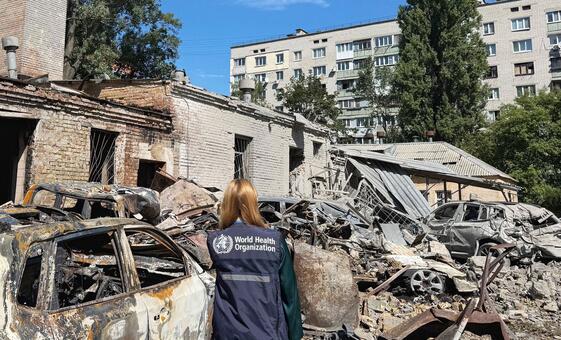
A UN report details a devastating 24 hours in Ukraine, with at least 12 civilians killed and over 65 wounded in attacks across the country, highlighting the severe toll on frontline regions.
It's Friday, and instead of weekend plans, the news brings a sobering update from the United Nations. According to their humanitarian coordination office, relying on information from Ukrainian authorities, the last 24 hours have been devastating. We're talking about real people, real lives, in communities that are just trying to survive. The numbers are hard to digest, but they tell a critical story about the ongoing situation.
At least twelve civilians lost their lives in attacks across the country. More than sixty-five others were wounded. These aren't just statistics on a briefing sheet; they're neighbors, parents, and children. The impact ripples far beyond the immediate blast zones, affecting families for generations. It's a stark reminder of what's at stake when conflict escalates.
### The Frontline Regions Bear the Brunt
The report highlights a painful pattern we've seen before: the areas closest to active fighting are suffering the most. These frontline regions are experiencing the heaviest toll. Infrastructure is damaged, emergency services are stretched beyond capacity, and the basic sense of security is shattered. People living there face impossible choices every single day. Do they stay in homes that might not be safe, or do they leave everything behind? There's no good answer.
Understanding the scope requires looking at what these attacks disrupt. It's not just about the immediate casualties.
- **Medical Systems:** Hospitals and clinics, already operating under extreme duress, are inundated with new patients. Supplies of everything from bandages to blood are running critically low.
- **Essential Services:** Power grids, water treatment facilities, and heating plants are targeted, plunging communities into darkness and cold, especially difficult as temperatures drop.
- **Supply Chains:** Roads and railways used to deliver food, medicine, and fuel are damaged or destroyed, creating pockets of isolation and scarcity.
- **Psychological Trauma:** The constant threat of attack leaves deep psychological wounds on entire populations, particularly children, that will require long-term care.
As one aid worker on the ground recently put it, *'We're not just patching up walls; we're trying to mend the fabric of entire communities, thread by thread.'* That sentiment captures the monumental challenge. The work goes far beyond immediate triage; it's about sustaining life and hope in conditions designed to crush both.
### The Ripple Effect of a Single Attack
It's easy for those of us at a distance to hear '65 wounded' and move on. But let's sit with that for a second. Each one of those numbers represents a person now navigating a shattered reality. A wound might mean a lifelong disability, a family's primary breadwinner unable to work, or a child facing a series of painful surgeries. The economic cost for individuals is immense, often running into tens of thousands of dollars for proper long-term care—money that simply doesn't exist in a war economy.
The environmental damage is another silent casualty. Damaged industrial sites can leak toxins into soil and water sources. Unexploded ordnance littering farmland makes it unusable for years, threatening food security for miles around. The cleanup, when it eventually can begin, will be a dangerous and costly process, likely costing millions and taking years.
So, what does this mean for professionals analyzing these situations? It underscores the non-linear nature of modern conflict. The effects are catalytic. A strike on a power station doesn't just turn off lights; it shuts down refrigeration for vaccines, halts water pumps, and cuts communication. The human impact is multiplied with each layer of infrastructure failure. Analyzing these events requires a systems-thinking approach, looking at the interconnected vulnerabilities and the cascading humanitarian consequences that follow a single day's violence. The Friday report isn't just a news update; it's a data point in a much larger, tragic equation of loss and resilience.