A Human Toll Emerges From the Latest Wave of Attacks
Jessica Albright ·
Listen to this article~4 min
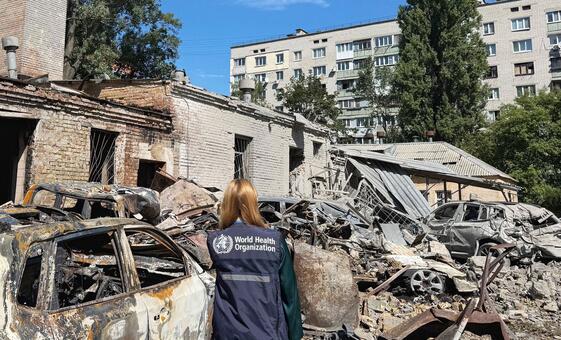
UN reports at least 12 civilians killed and over 65 wounded in the latest wave of attacks across Ukraine, with frontline regions suffering the most severe impacts.
The numbers, when they come in, are always stark. They tell a story, but they can't possibly capture the whole of it. This Friday, the UN Office for the Coordination of Humanitarian Affairs (OCHA), citing Ukrainian authorities, released the latest grim figures from the ongoing conflict. Over the past 24 hours, a series of attacks across the country resulted in the deaths of at least 12 civilians. More than 65 others were wounded. It's a sobering update that underscores the relentless human cost of this war, a cost that continues to mount daily.
### The Frontline Regions Bear the Brunt
As is tragically often the case, the regions closest to the active fighting lines suffered the most severe impacts. These areas, already strained by months of conflict, faced another devastating blow. The attacks weren't isolated to a single city or town; they were reported from multiple locations, painting a picture of a widespread offensive that spared few communities in its path. For the people living there, the distinction between front line and home has long since vanished. Every siren, every explosion, is a direct threat to their safety and their families.
We hear the statistics—12 lives lost, 65 injured—but what does that actually mean on the ground? It means families shattered overnight. It means homes, schools, and hospitals that were places of refuge becoming scenes of chaos and destruction. The wounded face a healthcare system pushed to its absolute limits, where medical supplies and personnel are stretched thin. The psychological trauma for survivors, especially children, is a wound that doesn't show up in these initial reports but will linger for generations.
### The Challenge of Humanitarian Response
Organizations like OCHA are tasked with the monumental job of coordinating aid in this environment. Their reports are critical for understanding the scope of need, but they also highlight the immense challenges. Delivering food, water, medical supplies, and shelter to areas under constant threat is a logistical nightmare. Each new wave of attacks creates fresh displacement, as people are forced to flee with only what they can carry, adding to the millions already internally displaced or seeking refuge abroad.
* **Immediate Medical Care:** The surge in casualties requires urgent medical intervention, from trauma surgery to blood supplies.
* **Emergency Shelter:** Destroyed homes mean a desperate need for safe places to sleep, especially as temperatures drop.
* **Psychological First Aid:** The mental health crisis unfolding alongside the physical one requires specialized support.
* **Logistical Access:** Simply getting aid convoys through to the hardest-hit areas is often hampered by insecurity and damaged infrastructure.
It's easy to become numb to the daily updates, to see the numbers as just another data point in a long-running story. But we can't afford that. A former aid worker once told me, "Every number in a report was someone's morning coffee, someone's unfinished work, someone's waiting family." That perspective is crucial. These aren't abstract casualties; they are individuals, each with a story that ended abruptly and violently.
### Looking Beyond the Headlines
While the immediate focus is rightly on the casualty figures and the humanitarian response, these events have deeper, longer-term implications. The destruction of civilian infrastructure sets back recovery efforts by years. The erosion of community resilience makes every subsequent crisis harder to weather. And the continued violence makes the prospect of a lasting peace seem ever more distant.
The international community watches, debates, and deliberates. Sanctions are levied, aid packages are announced, and statements are issued. But in those frontline regions, for those 12 families and 65 injured individuals, the reality is brutally simple: survival. The world's response, or lack thereof, is measured not in diplomatic cables, but in whether the next shipment of bandages arrives in time, or whether a child has a warm place to sleep tonight. The headline is about an attack, but the real story is about the enduring human spirit facing down unimaginable adversity, one day at a time.