The Human Toll Escalates as Conflict Intensifies
Sarah Jenkins ·
Listen to this article~4 min
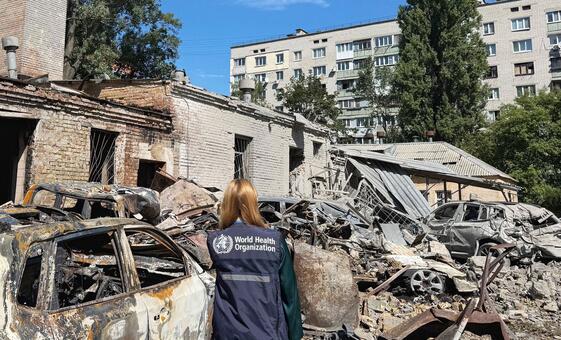
UN-coordinated reports confirm a sharp rise in civilian casualties, with at least 12 killed and over 65 wounded in the latest attacks, highlighting the severe humanitarian crisis in frontline regions.
It's hard to read the reports that come in, you know? The numbers always feel so abstract until you stop and think about what they really represent. Each one is a person. A story cut short. Families shattered in an instant. The latest update from humanitarian officials paints a grim and urgent picture of the escalating conflict's cost on civilians.
### The Scope of the Latest Casualties
According to information relayed by Ukrainian authorities to the UN's coordination office for humanitarian affairs, the past day of attacks across the country resulted in at least 12 civilian deaths. More than 65 others were wounded. These aren't just statistics. That's a dozen lives gone. Scores of others now facing recovery, trauma, and the daunting task of rebuilding what was violently taken from them. The speed at which these numbers climb is staggering, and it forces us to confront the harsh reality of modern warfare playing out in cities and towns.
Frontline regions, as you might expect, are bearing the brunt of this violence. These are communities already stretched thin, where the sound of shelling isn't a distant rumor but a daily soundtrack. The infrastructure they rely on—hospitals, schools, power grids—is constantly under threat, making every aspect of survival a struggle. It creates a cycle of vulnerability that's incredibly difficult to break.
### Understanding the Humanitarian Impact
When we talk about 'humanitarian impact,' we're talking about the cascade of consequences that follow a single attack. It's not just the immediate loss. Let's break it down:
- **Medical Systems Under Strain:** Every new casualty puts immense pressure on healthcare facilities that are often damaged themselves and running low on critical supplies.
- **Displacement and Shelter:** Attacks destroy homes, forcing more people to flee, overwhelming already crowded shelters and straining resources for food, water, and warmth.
- **Psychological Trauma:** The mental health toll on survivors, first responders, and an entire generation of children living through this is profound and long-lasting.
- **Economic Devastation:** Livelihoods are obliterated overnight. Businesses, farms, and essential services grind to a halt, crippling local economies for years to come.
It's a multifaceted crisis where solving one problem often reveals three more waiting underneath.
As one aid worker on the ground put it, 'We're not just patching up wounds; we're trying to hold together the fabric of entire communities.' That sentiment really hits home. The work goes far beyond emergency medicine. It's about providing a sense of safety, continuity, and hope when all of that feels in short supply.
### The Challenge of Aid and Access
Delivering help in an active conflict zone is a logistical nightmare riddled with danger. Safe corridors can close without warning. Trucks carrying food and medicine become targets. And the workers risking their lives to deliver that aid? They're operating in what's arguably one of the most dangerous environments in the world right now. Their courage is astounding, but the obstacles they face are monumental. Every delivery that gets through is a small victory, but the scale of need continues to outpace the response.
This situation forces us to ask some tough questions about accountability, protection, and the fundamental rules of war. International laws exist to shield civilians, but reports like these show how often those lines are blurred or outright crossed. The conversations happening in diplomatic circles feel a world away from the reality on the ground, where the most basic human need—security—is a daily gamble.
What's next is the hardest part. The trajectory isn't promising. Without a significant de-escalation, these daily reports of casualties will likely continue. Each number added to the tally represents a future stolen, a community broken. It's a reminder that the true cost of conflict is measured not in territory gained or lost, but in human suffering. And right now, that cost is rising by the hour.