The Human Toll of Escalating Conflict: What the Latest Numbers Reveal
Sarah Williams ·
Listen to this article~4 min
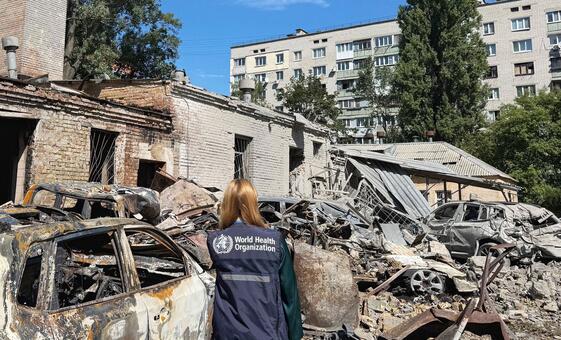
UN reports cite Ukrainian authorities confirming at least 12 civilians killed and over 65 injured in recent attacks, with frontline regions suffering the most severe impacts.
I was reading the latest reports this morning, and the news is just heartbreaking. It's one of those things you can't really process all at once. You know? You see the numbers, but behind each one is a person, a family, a story cut short.
According to information released on Friday by the United Nations Office for the Coordination of Humanitarian Affairs, citing Ukrainian authorities, the human cost over the last 24 hours has been devastating. At least 12 civilians lost their lives, and more than 65 people were injured in attacks across the country.
### The Frontline Regions Bear the Brunt
It's always the communities closest to the fighting that suffer the most, and this latest wave is no exception. The report specifically highlights that frontline regions were hit especially hard. These are places where people are trying to live their lives amidst constant uncertainty, where a trip to the market or a visit to a neighbor carries an unimaginable risk.
We talk about strategy and territorial gains in conflicts, but we can't forget the stark reality on the ground. The reality is measured in lives, in injuries, in shattered homes. When you hear 'frontline regions,' picture towns and villages where the sound of sirens has become a daily backdrop, where basements have become makeshift shelters, and where simply surviving is an act of immense courage.
### Understanding the Humanitarian Impact
Let's break down what these numbers mean beyond the headlines. Each casualty represents a cascade of consequences:
- **Immediate Trauma**: For every person injured, there's a need for urgent medical care, often in systems already stretched beyond capacity.
- **Long-Term Recovery**: Physical wounds heal, but the psychological impact on survivors, witnesses, and especially children can last for generations.
- **Community Disruption**: Essential services like water, electricity, and healthcare are frequently damaged or destroyed, creating secondary crises.
- **Displacement**: Attacks like these force more families to make the impossible choice to leave everything behind, adding to the millions already displaced.
The UN's role in coordinating the humanitarian response is critical in these moments. They're the ones trying to get aid through, to assess the most urgent needs, and to provide a neutral account of the human suffering. It's a grim but necessary task.
### The Ripple Effect of a Single Attack
I think sometimes we become numb to statistics. We hear '12 killed' and our brain files it away. But I want you to try something. Think about your own neighborhood—your street, your apartment building. Imagine if 12 of your neighbors were suddenly gone. The silence where there was once laughter, the empty chairs, the unanswered messages.
Now multiply that grief across dozens of communities, and then multiply that by the more than 65 people grappling with pain and recovery. The impact isn't contained. It ripples out through families, friends, and the entire social fabric of these places. It creates gaps that may never truly be filled.
As one aid worker on the ground recently told a colleague, *'We are not just counting casualties; we are witnessing the erosion of normalcy, one attack at a time.'* That really stuck with me. It's not just about the immediate horror; it's about the slow, steady loss of the ordinary, peaceful life that every person deserves.
### Looking Beyond the Headlines
So what do we do with this information? It's easy to feel helpless. First, we acknowledge it. We don't look away from the uncomfortable truth. Second, we support the organizations, both international and local, who are on the ground providing medical aid, shelter, food, and psychological support. They are the lifeline.
Finally, we remember that behind every data point in a UN report is a human being. A parent, a child, a friend. Our shared humanity demands that we pay attention, that we care, and that we continue to hope for and work toward a day when reports like these are a thing of the past. The conversation needs to stay focused on the people living through this reality every single day.