The Human Toll Behind the Headlines: A New Report's Stark Numbers
Eleanor Vance ·
Listen to this article~4 min
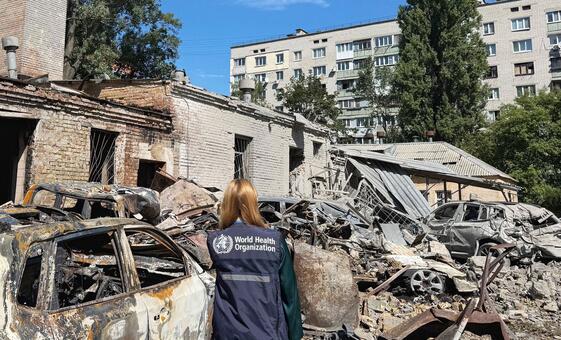
A new UN report details a devastating 24-hour period in Ukraine, with at least 12 civilians killed and over 65 wounded, highlighting the severe impact on frontline regions.
It's one thing to read a headline, but it's another to understand the weight behind the numbers. A new report released this Friday sheds light on a devastating reality, putting human faces to the statistics we often skim past.
Coming from the UN's Office for the Coordination of Humanitarian Affairs, citing Ukrainian authorities, the findings are sobering. In just the last 24 hours, attacks across the country have resulted in the deaths of at least 12 civilians. More than 65 others were wounded. That's a community, a family gathering, a neighborhood street—gone or forever changed in a single day.
### The Frontline Regions Bear the Brunt
As you might expect, the areas closest to the fighting are suffering the most. These frontline regions are experiencing the concentrated impact of the conflict. It's where daily life is most disrupted, where the sound of sirens is a constant companion, and where the risk is an ever-present shadow. The report specifically highlights these zones as being "especially severely" affected. That's a diplomatic way of saying the devastation there is overwhelming.
Think about what that means for the professionals and aid workers operating in these areas. The logistical nightmare. The constant recalculations of safe routes. The heartbreaking triage of need when resources are stretched thinner than ever. It’s a relentless pressure cooker.
### Breaking Down the Human Cost
Let's sit with those numbers for a moment, because they represent more than data points.
- **12 lives lost**: Each number is a person with a story, a family, dreams left unfulfilled.
- **65+ wounded**: The injured face not just physical recovery, but the profound psychological trauma that comes with such violence. Their lives are altered in an instant.
The scale of this, happening in a 24-hour window, underscores the intense and ongoing nature of the crisis. It’s not a single event; it’s a continuous wave of hardship for the civilian population caught in the middle.
### The Critical Role of Accurate Reporting
Why does this specific report matter? Because it comes from a coordinated effort between the UN and local authorities. In the fog of conflict, verified information is a rare and crucial commodity. It cuts through the noise, providing a clearer picture for humanitarian organizations trying to plan their response. It helps allocate everything from medical supplies to shelter materials where they're needed most urgently.
For analysts and professionals monitoring the situation, this isn't just news—it's a key metric. It informs risk assessments, guides policy recommendations, and shapes the international community's understanding of the conflict's human dimension. As one aid coordinator recently noted, "Our maps aren't just of territories; they're maps of human suffering. Each report adds more tragic detail."
### Looking Beyond the Immediate Crisis
The immediate priority is, of course, tending to the wounded and supporting the families of those who were killed. But the ripple effects of a day like this are vast. Infrastructure is damaged, further straining recovery efforts. Communities are displaced, adding to the millions already seeking safety. The psychological scar on a nation deepens.
For global observers and professionals in the field, reports like this serve as a stark reminder. They highlight the gap between political narratives and ground-level reality. They emphasize why humanitarian corridors and the protection of civilians aren't just abstract concepts—they are urgent, lifesaving necessities.
The conversation often focuses on strategy, territory, and diplomacy. And that's important. But we must always circle back to the human cost. It's the central, heartbreaking truth of any conflict. Today's report, with its tally of 12 and 65, is a painful chapter in that ongoing story. It challenges us all to look closer, to understand more deeply, and to remember what's truly at stake.