The Human Toll: Recent Strikes and Their Devastating Impact
Robert Brown ·
Listen to this article~4 min
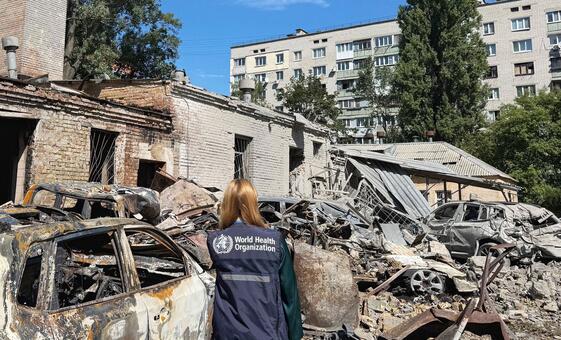
A UN report details a devastating 24-hour period, with at least 12 civilians killed and over 65 wounded in recent attacks. Frontline regions suffered the most severe impacts.
I want to talk about something heavy, because ignoring it doesn't make it go away. The news coming out recently is a stark reminder of the brutal reality on the ground. According to a UN humanitarian coordination office report released Friday, which cited Ukrainian authorities, the last 24 hours of attacks across the country have had a devastating human cost.
We're talking about at least 12 civilians killed and more than 65 wounded. Those aren't just numbers on a screen. They're people. They're families shattered in an instant. The pain ripples out from each of those statistics, affecting communities for generations. It's the kind of news that makes you pause your day, doesn't it?
### The Frontline Regions Bear the Brunt
It's no surprise, but it's worth stating clearly: the frontline regions were hit the hardest. These are areas where people have been living under constant threat, where the sound of air raid sirens is a daily occurrence. The infrastructure there is often already damaged, making recovery from new strikes even more difficult and dangerous. Emergency services are stretched beyond thin, trying to respond to multiple crises at once. The resilience of these communities is being tested in the most horrific ways imaginable.
When we hear 'frontline,' it can feel abstract. Let's make it concrete. Think about the logistics:
- Evacuating the wounded when roads are damaged or unsafe.
- Restoring power and water to homes and hospitals.
- Providing shelter for those who have just lost everything.
- The psychological toll on first responders and medical personnel.
It's a cascade of challenges that follows every explosion.
### Beyond the Immediate Casualty Count
The immediate figures of killed and wounded only tell part of the story. Every attack has secondary and tertiary effects that don't make the headline count. A strike on a power station might not cause direct casualties, but it can cut off electricity to a hospital. That puts lives at risk. It can shut down water pumping stations. That creates a public health crisis.
Damage to transportation networks slows the delivery of vital humanitarian aid—food, medicine, blankets. For every person physically injured, there are countless others dealing with severe trauma, the loss of their home, or the disruption of their entire life. The true cost is measured in more than just the initial numbers reported.
As one aid worker on the ground put it recently, *"We're not just patching up buildings; we're trying to hold together the fabric of society under relentless pressure."* That sentiment hits home. It's about preserving human dignity in the midst of chaos.
### The Global Context and Local Response
In the United States, watching this unfold from thousands of miles away, it's easy to feel helpless. The scale can be overwhelming. But understanding the specific, human impact of these reports is the first step toward meaningful empathy and support. It shifts the narrative from a distant geopolitical event to a human tragedy.
Humanitarian organizations, both international and local, are operating in these conditions every single day. Their work is dangerous and critically important. They navigate complex logistics to get supplies where they're needed most, often at great personal risk. Supporting these groups is one of the most direct ways to help those affected.
So, what's the takeaway from this grim update? It's a call to not become numb to the headlines. Behind every statistic is a story, a life interrupted, a future altered. It's about recognizing the profound resilience of those living through this and the relentless efforts of those trying to help. The conversation needs to continue, focused on the human beings at the heart of it all.