The Human Toll of Recent Strikes: What the Latest Reports Reveal
Amanda Moore ·
Listen to this article~4 min
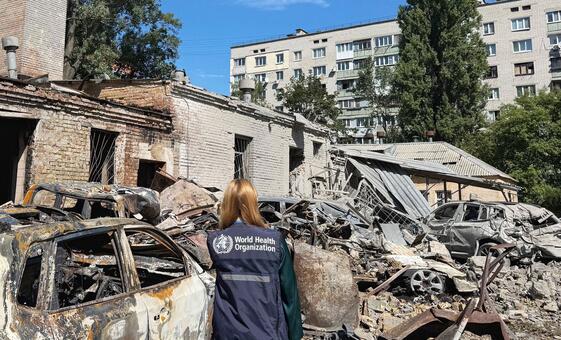
UN reports cite Ukrainian authorities confirming at least 12 civilian deaths and over 65 wounded in recent attacks, with front-line regions suffering the most severe impact.
Hey there. Let's talk about something that's been heavy on my mind lately. You've probably seen the headlines, the brief flashes on the news, but it's easy for the reality to get lost in the noise. The latest reports coming through paint a sobering picture of the human cost in ongoing conflicts, and I think it's worth taking a moment to understand what's actually happening on the ground.
It's Friday, and the UN Office for the Coordination of Humanitarian Affairs (OCHA) has just released an update. They're citing Ukrainian authorities, and the numbers are grim. Over the past 24 hours, attacks across the country have resulted in at least 12 civilian fatalities. More than 65 people were wounded. That's not just a statistic—that's 12 families shattered, 65 lives abruptly and violently altered. The scale of suffering is immense, and it's concentrated where you'd expect it to be: the front-line regions are bearing the brunt of this violence.
### Understanding the Scope of the Impact
When we hear 'front-line regions,' it can feel abstract. But let's break that down. These are communities living in a constant state of alert. Imagine trying to go about your daily life—getting groceries, taking your kids to school, going to work—with the ever-present threat of aerial attacks. The psychological toll is almost as devastating as the physical destruction. Infrastructure gets hit, power grids fail, and access to basic necessities like clean water becomes a daily struggle. The ripple effects of a single strike can paralyze an entire town for days.
### The Challenge of Humanitarian Response
This is where the real work happens, often away from the cameras. Humanitarian organizations face monumental challenges just getting aid to these areas. Roads are damaged, security is volatile, and the needs change by the hour. They're not just delivering food and medical supplies; they're providing trauma counseling, setting up emergency shelters, and working to restore critical services. It's a race against time and circumstance, and the workers on the ground are operating under incredible pressure. Their goal is simple yet enormous: to alleviate suffering in the midst of chaos.
What does this mean for us, sitting here miles away? It's a reminder of the fragile line between peace and conflict. It underscores why accurate, timely reporting from organizations like OCHA is so crucial—it cuts through the fog of information and focuses on the human element. These reports help direct resources, shape international response, and, hopefully, build a case for protecting civilians, who are overwhelmingly the casualties in modern warfare.
Here’s a key point we often miss: every number in these reports represents a story.
- A parent who won't come home.
- A child who will grow up with memories of sirens and shelters.
- A community that has lost its center, its marketplace, its school.
The long-term recovery for these regions will be measured in years, not months. Rebuilding isn't just about bricks and mortar; it's about healing the social fabric, restoring a sense of normalcy and safety. That process begins the moment the dust settles, with the first responders and aid workers who rush in when most others are rushing out.
So, what's the takeaway from this latest update? It's a stark indicator that the conflict's humanitarian impact is intensifying. The concentration of casualties in specific areas suggests targeted or widespread attacks on populated zones. For professionals analyzing these situations, whether in intelligence, policy, or humanitarian fields, this data is a critical pulse check. It tells you where the pressure points are, where the immediate needs lie, and where diplomatic or protective efforts need to be doubled. It’s not just news; it’s a map of human suffering that demands a response. Let's keep that context front and center as we discuss strategies, policies, and the path forward.