The Human Toll in Ukraine's Frontline Regions
Eleanor Vance ·
Listen to this article~4 min
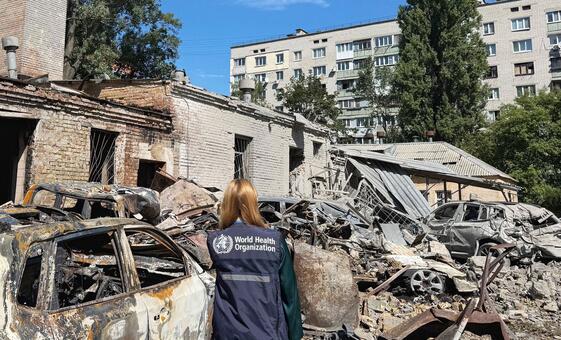
A UN report details a severe 24-hour toll in Ukraine: at least 12 civilians killed and over 65 wounded, with frontline regions suffering the most. The data highlights the ongoing humanitarian crisis.
It's a stark and sobering reality that often gets lost in the broader geopolitical discussions. A recent UN report, citing Ukrainian authorities, has brought the immediate human cost back into sharp focus. Over a single 24-hour period, attacks across the country resulted in at least 12 civilian fatalities and more than 65 people wounded. The figures are more than statistics; they represent communities, families, and a profound disruption of daily life in areas already under immense strain.
These numbers force us to pause and consider the tangible impact on the ground. While strategic analyses and territorial maps dominate headlines, the humanitarian dimension remains a constant, pressing concern. The data points to a concentration of suffering in regions closest to active hostilities, where the boundary between frontline and hometown has been tragically erased.
### The Immediate Impact on Civilian Life
The consequences of these attacks ripple far beyond the initial moment of impact. For every casualty reported, there are countless other lives indirectly affected. Local infrastructure—the very bones of a community—takes a hit. We're talking about damaged homes, disrupted power and water supplies, and compromised medical facilities. The simple act of getting food or seeking safety becomes a monumental challenge.
Imagine the logistics for a family in a frontline region. A trip to the market, once routine, now carries significant risk. Schooling for children is interrupted or moved underground, literally. The psychological toll is immense and enduring, creating a backdrop of anxiety that colors every decision. This is the daily reality that these casualty numbers hint at, but can never fully capture.
### Understanding the Broader Humanitarian Context
This isn't an isolated incident, but part of a persistent pattern. Aid organizations operating in these areas face a constant struggle. Their work involves navigating immense complexities to deliver basic necessities. The challenges are logistical, financial, and deeply human.
- **Access and Security:** Getting aid to where it's most needed is often hindered by active hostilities and security concerns.
- **Resource Strain:** Local hospitals and emergency services are overwhelmed, dealing with trauma cases while managing shortages of supplies and personnel.
- **Displacement:** Each attack can trigger new waves of internal displacement, as people are forced to leave their homes with little more than what they can carry.
The UN's coordination role is critical in trying to streamline these efforts, but the scale of need frequently outpaces the available resources. It's a relentless effort to provide a lifeline.
### What These Reports Mean for Observers
For professionals and analysts watching this situation, these updates serve as crucial indicators. They offer a grim metric of the conflict's intensity in specific areas, beyond military assessments. Tracking these humanitarian reports can provide insights into:
* The shifting geographic focus of hostilities.
* The evolving challenges for recovery and stabilization efforts.
* The long-term human capital and social fabric costs that will need addressing long after the guns fall silent.
As one aid worker recently noted, 'Our data tells a story of resilience, but also of profound and accumulating loss. Every number is a person whose life has been abruptly changed.' This perspective reminds us that behind every briefing and report are individual human stories of survival, grief, and perseverance.
Looking ahead, the trajectory of these casualty figures will be a key bellwether. A sustained increase signals escalating danger for civilians and greater strain on humanitarian corridors. A decrease, while hopeful, doesn't automatically mean safety, but could indicate shifting battle lines or temporary cessations. The ultimate goal, echoed by all humanitarian bodies, remains the protection of civilian lives and infrastructure as a fundamental principle, regardless of the broader conflict dynamics. The path forward is fraught, but understanding this human cost is the first step toward acknowledging what's truly at stake.