The Human Toll Behind Ukraine's Latest Frontline Strikes
Emily Brown ·
Listen to this article~4 min
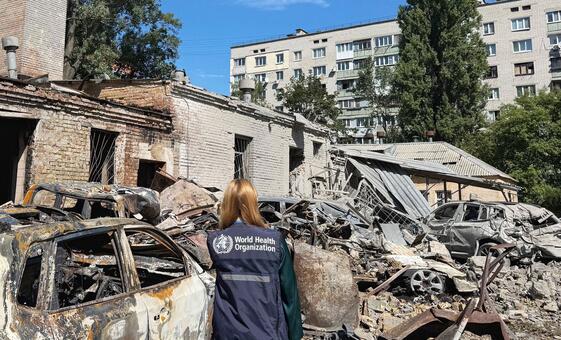
A UN report details a sharp rise in civilian casualties from Ukraine frontline strikes, with at least 12 killed and 65 wounded in 24 hours, highlighting the ongoing humanitarian crisis.
We're getting a clearer picture this Friday from the UN Office for the Coordination of Humanitarian Affairs, and the news is deeply troubling. They're reporting, based on information from Ukrainian authorities, that attacks across the country over the last 24 hours have led to a significant civilian casualty toll. It's a stark reminder that the conflict's impact is measured not just in territory, but in lives.
At least 12 civilians have been killed, with more than 65 others wounded. Those numbers are more than statistics—they represent families shattered, communities grieving, and a humanitarian situation that continues to demand our attention and action. It's the kind of update that makes you pause and remember what's really at stake here.
### The Frontline Regions Bearing the Brunt
The report highlights that the areas near the front lines have been hit especially hard. These are communities living under constant strain, where the sounds of conflict are never far away. The infrastructure they rely on—homes, hospitals, schools—is often in the crosshairs, making daily survival a challenge. For professionals analyzing this situation, understanding the geographic concentration of these impacts is crucial for grasping the on-the-ground reality.
Think about what that means for the people there. Access to basic necessities becomes a daily struggle. The psychological toll is immense, layered on top of the physical danger. It creates a domino effect that disrupts every aspect of normal life.
### Breaking Down the Humanitarian Impact
Let's look at what these attacks typically entail and why the civilian cost is so high:
- **Urban Areas**: Strikes often hit residential districts and city centers, where civilians are concentrated.
- **Critical Infrastructure**: Damage to power grids, water systems, and heating plants creates secondary crises long after an attack.
- **Displacement**: Each event forces more families to flee, adding pressure to already overwhelmed support networks.
- **Medical Strain**: Wounded civilians flood local hospitals, stretching thin resources that are also needed for military casualties.
The cycle is brutal. An attack happens, lives are lost, survivors are injured, and the systems needed to help them are often damaged in the process. It's a compounding tragedy that these latest figures underscore.
As one analyst recently noted, "In modern conflict, the humanitarian footprint is often the most lasting and costly part of the equation, far outliving the immediate tactical gains or losses." This observation hits home when we see reports like today's. The immediate tactical details might shift, but the human suffering documented here has long-term consequences for recovery and stability.
### Why This Matters for Strategic Understanding
For professionals focused on this region, data points like these are vital. They're not just news headlines; they're indicators. They help map the intensity of hostilities, identify humanitarian corridors that are under threat, and forecast where emergency aid will be most urgently needed. When civilian casualties spike in specific areas, it often signals a shift in military focus or tactics.
Understanding this human cost is central to any realistic assessment of the conflict's trajectory. It affects morale, international support, and the long-term social fabric of the nation. You can't analyze the strategic picture without weighing this human dimension. It's the core of the challenge that lies ahead for rebuilding and reconciliation whenever the fighting stops.
The takeaway today is somber but clear. Behind the maps and the movement of lines, there's a relentless human cost. The UN's update is a necessary, if heartbreaking, record of that reality. It's a call to keep that reality in focus, no matter how far away the headlines may seem.