The Human Toll of a Weekend's Violence
Julia Meyer ·
Listen to this article~4 min
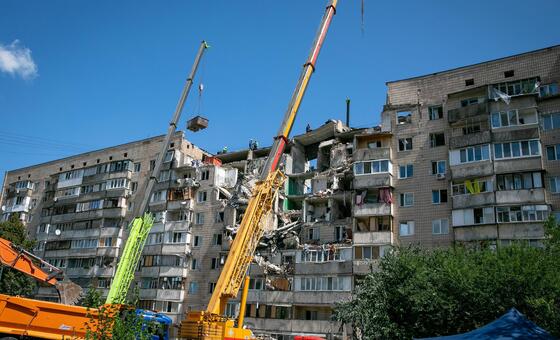
UN officials report a devastating weekend in Ukraine, with approximately 60 civilians killed and over 240 injured in attacks across the country, highlighting the ongoing human cost.
You know, sometimes a headline is just a number. It’s a statistic that flashes across a screen, and it’s easy to let it wash over you. But behind that number are real people, real lives, and real communities forever changed. The news that came out of Ukraine this week is one of those stark reminders. Over the past weekend, a wave of attacks across the country resulted in a heartbreaking loss of life and left hundreds more injured.
### The Official Briefing in New York
This grim update came from the United Nations. On Monday in New York, UN spokesperson Stéphane Dujarric held a press briefing for journalists. He relayed the information, citing data from UN humanitarian workers on the ground and from Ukrainian authorities themselves. The figures are sobering: approximately 60 civilians lost their lives, and more than 240 people sustained injuries. That’s not just a news item; that’s hundreds of families receiving a phone call they’ll never forget.
It’s one thing to hear a report from a distance. It’s another to imagine the scene on the ground—the first responders working tirelessly, the hospitals stretched thin, the sheer disruption to everyday life. When conflict hits, it doesn’t just affect strategic targets; it shatters the normalcy of grocery runs, school days, and quiet evenings at home.
### Understanding the Impact Beyond the Numbers
Let’s sit with that for a second. What does that scale of casualty actually mean in human terms?
- **For every person killed**, there’s a network of grief—parents, children, friends, and colleagues left to mourn.
- **For every person injured**, there’s a journey of recovery that could take months or years, involving physical therapy, psychological support, and rebuilding a sense of safety.
- **For the communities hit**, there’s the immense task of repairing infrastructure, restoring essential services, and healing a collective trauma.
It’s a cascade of consequences that lasts long after the headlines fade. The work of humanitarian organizations becomes absolutely critical in these moments, providing everything from emergency medical care and shelter to clean water and psychological first aid.
As one aid worker was quoted saying in a recent dispatch, *"Our job isn't just about delivering supplies; it's about restoring a sense of dignity in the midst of chaos."* That sentiment hits home. In crises, the human need for stability and compassion is as vital as food or medicine.
### A Perspective for Professionals
For those of us following these events from afar, it creates a complicated mix of emotions. There’s a desire to understand, to help, and sometimes a feeling of helplessness. Staying informed through credible, on-the-ground sources is crucial. It moves us past the raw numbers and into a clearer understanding of the human landscape—what the actual needs are, which regions are most affected, and how the situation is evolving day by day.
This kind of reporting underscores why international bodies and local authorities work to document these events meticulously. Each data point is a person. Each statistic is a story. And while the news cycle will inevitably move on, the rebuilding for those affected is a long, arduous road that demands our sustained attention and empathy. The true cost of a weekend’s violence can’t be fully measured in a press briefing; it unfolds in the quiet, difficult months that follow.