Hunger in DR Congo Complicates Ebola Battle as Cases Top 3,200
Felix Müller ·
Listen to this article~4 min
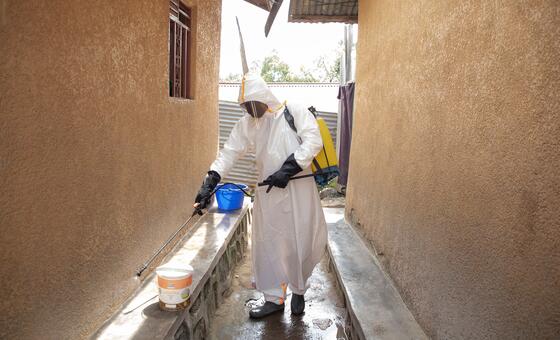
The UN warns hunger in DR Congo is worsening the Ebola outbreak, with over 3,200 cases. Learn why food shortages complicate disease control and what can be done.
The United Nations World Food Programme (WFP) has issued an urgent call for additional international funding to combat the Ebola outbreak in the Democratic Republic of Congo (DRC). According to the agency, rapidly escalating hunger levels are making containment efforts significantly more difficult, with over 3,200 people already infected.
### The Perfect Storm: Hunger and Disease
It's a brutal reality check. Imagine trying to fight a fire while you're starving. That's essentially what's happening in the DRC right now. The Ebola outbreak isn't just a health crisis; it's a humanitarian disaster layered on top of another. The WFP warns that without immediate funding, the situation could spiral out of control.
The numbers are staggering. More than 3,200 confirmed cases of Ebola. But that's only part of the story. The real problem is that hunger is pushing people to the brink. When you're worried about where your next meal is coming from, getting vaccinated or seeking treatment for a fever feels like a luxury you can't afford.
### Why Hunger Makes Ebola Worse
You might wonder, how exactly does hunger complicate an Ebola outbreak? It's not just about weakened immune systems, though that's a big part of it.
- **Mistrust and Fear:** When people are hungry, they're more desperate. They might avoid health workers because they fear being quarantined away from their families or losing their livelihoods. It's a survival instinct.
- **Movement and Spread:** Hungry populations often move in search of food. This movement can carry the virus to new areas, making it harder to track and contain.
- **Limited Resources:** Health systems are already stretched thin. When you add a hunger crisis, resources are diverted to food distribution, leaving less for disease surveillance and treatment.
It's a vicious cycle. Ebola makes it harder to farm and trade, which worsens hunger. And hunger makes people more vulnerable to the disease. Breaking that cycle requires a coordinated response that addresses both issues simultaneously.
### The Call for Action
The WFP isn't asking for a small amount. They're asking for hundreds of millions of dollars in additional funding. This money would go toward:
- Food distributions in affected areas
- Supporting health workers with nutrition
- Building trust within communities
The goal is simple: make sure people don't have to choose between eating and getting medical care. Because right now, that's exactly the choice many are facing.
### What This Means for the Global Community
This isn't just a problem for the DRC. Ebola doesn't respect borders. If the outbreak isn't contained, it could spread to neighboring countries. And with global travel, it could even reach the United States. That's why investing in containment now is so much cheaper than dealing with a full-blown pandemic later.
The clock is ticking. Every day without funding means more people go hungry, more people get infected, and more lives are lost. The international community has a choice: act now or pay a much higher price down the road.
### A Personal Note
I know this all sounds heavy. And it is. But it's also a reminder of how interconnected our world is. A hunger crisis in the DRC isn't just their problem; it's ours too. By supporting organizations like the WFP, we're not just saving lives there; we're protecting ourselves here. So let's hope the funding comes through. Because the alternative is unthinkable.