July 2026 Just Broke Global Heat Records in Several Regions
Emily Williams ·
Listen to this article~6 min
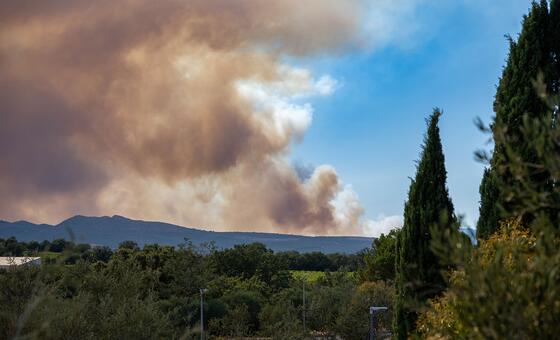
July 2026 became the second-hottest July on record globally, with ocean surface temperatures hitting an all-time high for the month. Extreme heat, drought, wildfires, and floods are causing severe damage worldwide, according to the World Meteorological Organization.
### The Hottest July on Record (Almost)
Last month wasn't just warm—it was historically hot. According to the World Meteorological Organization (WMO), July 2026 went down as the second-hottest July ever recorded on a global scale. That's not a small deal. When you're talking about weather data that spans over a century of observations, being in the top two is significant. But here's what really stands out: the surface temperature of the world's oceans hit an all-time high for this month. That's not just a footnote; it's a massive red flag.
### Why Ocean Heat Matters More Than You Think
You might be wondering, "Why should I care about ocean temperatures?" Well, the ocean acts like the planet's thermostat. When it heats up, everything else follows. Warmer oceans mean more energy in the atmosphere, which translates directly to more extreme weather events. Think of it like this: if the atmosphere is a pot of water, the ocean is the stove underneath. When the stove gets turned up, the water doesn't just get warmer—it starts to boil over.
### The Real-World Damage: Heat, Fire, and Floods
We're not just talking about numbers on a chart here. The consequences are playing out in real-time across the globe. Extreme heat waves are baking entire regions, turning cities into literal ovens. Droughts are drying up reservoirs and ruining crops. Wildfires are tearing through forests and neighborhoods, leaving nothing but ash in their wake. And then there's the flip side: devastating floods that wash away homes and infrastructure in a matter of hours. It's a brutal cycle, and it's hitting people, economies, and ecosystems hard.
- **Heat waves:** Prolonged exposure to dangerous temperatures, especially in urban areas where the heat island effect makes things worse.
- **Droughts:** Water shortages affecting agriculture, drinking supplies, and hydroelectric power generation.
- **Wildfires:** Rapidly spreading fires that destroy property and create hazardous air quality for millions.
- **Floods:** Sudden, intense rainfall overwhelming drainage systems and causing catastrophic property damage.
### What the Numbers Actually Tell Us
Let's put this into perspective with some numbers that hit closer to home. If you're in the United States, you know what a hot summer feels like. But imagine your typical July day being several degrees Fahrenheit hotter than the historical average, and then multiplying that across the entire planet. That's what we're dealing with. The global average temperature for July 2026 was a fraction of a degree below the all-time record, but the ocean heat was unprecedented. That combination is what scientists are calling a clear signal that we're entering uncharted territory.
### The Economic Toll: It's Not Just About the Weather
The financial impact of these extreme events is staggering. We're talking about billions of dollars in damages from destroyed crops, ruined infrastructure, and lost productivity. When a factory has to shut down because of extreme heat, that's money out of workers' pockets. When a farmer loses an entire season's harvest to drought, that drives up food prices at your local grocery store. The ripple effects touch everything, from your monthly utility bill to the cost of your morning coffee.
### What the WMO Is Saying Now
The WMO isn't just reporting these findings to scare people. They're using this data to push for better preparedness and climate action. The message is clear: this isn't a one-off anomaly, it's a trend. And trends are easier to address when you're honest about them. The organization is calling on governments and industries to accelerate their efforts to reduce emissions and adapt to the changing climate.
### What This Means for You
So, what's the takeaway here? For the average person in the United States, this isn't just a story about some far-off place. It's about the heat waves that are becoming more frequent in places like Texas and Arizona. It's about the hurricane seasons that seem to get more intense every year along the Gulf Coast. It's about the fact that your kids might not know what a "normal" summer feels like. It's a reminder that climate change isn't a distant threat—it's happening right now, and July 2026 is just the latest proof.
### Looking Ahead: The Forecast Isn't Set in Stone
Here's the thing about forecasts: they can change. While the data from July 2026 is sobering, it's not a final verdict. We still have the power to alter the trajectory. That means supporting policies that reduce carbon emissions, investing in renewable energy, and making smarter choices about how we live and consume. It's easy to feel helpless when you read headlines like this, but every action counts. Whether it's advocating for cleaner energy or just being more mindful of your own footprint, it all adds up.
### Final Thoughts
This July wasn't just another month. It was a wake-up call. The oceans are warmer, the air is hotter, and the extreme weather events are becoming the new normal. But acknowledging the problem is the first step toward fixing it. The WMO has given us the data. Now it's up to us to decide what we do with it. The future isn't written yet, but the ink is drying fast.