July 2026 Just Rewrote the Climate Record Books in These Regions
Eleanor Vance ·
Listen to this article~5 min
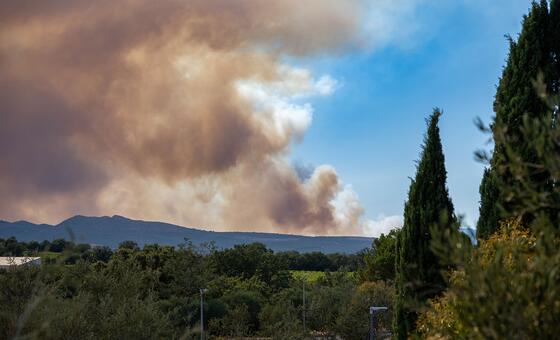
July 2026 was the second-hottest July on record, with ocean surface temperatures reaching all-time highs. Extreme heat, drought, wildfires, and floods are wreaking havoc worldwide, according to the World Meteorological Organization.
If you thought last month felt unusually hot, you weren't imagining things. July 2026 just went down as the second-warmest July ever recorded globally, according to the World Meteorological Organization (WMO). And here's the part that really grabs your attention: the surface temperature of the world's oceans hit an all-time high for this time of year. That's not just a statistic—it's a signal that something fundamental is shifting beneath the surface (literally).
The numbers are sobering, but they're also a wake-up call. Extreme heat, drought, wildfires, and floods are no longer rare events we hear about once a year. They're becoming the new normal, and they're leaving a trail of damage across communities, economies, and entire ecosystems. Let's break down what this actually means for you and for the planet.
### Why Ocean Temperatures Matter More Than You Think
You might be wondering why ocean heat is such a big deal. After all, we're land-dwellers, right? But here's the thing: the ocean absorbs about 90% of the excess heat from greenhouse gas emissions. When ocean temperatures spike, it's like the planet's fever spiking—everything else follows.
Warmer oceans fuel stronger hurricanes, disrupt marine life, and throw off global weather patterns. That means the heat you felt in July wasn't just a random hot spell. It was connected to a much larger system that's out of balance. And when the ocean breaks records, we all feel the ripple effects, from higher grocery prices to more frequent power outages during heat waves.
### The Human Toll: It's Not Just About the Heat
The WMO report paints a grim picture, but it's not abstract. Real people are dealing with real consequences right now.
- Farmers are watching crops wither under relentless sun, driving up food prices at your local grocery store.
- Families in wildfire zones are packing up with minutes to spare, not hours.
- Coastal communities are bracing for flooding as sea levels rise and storms intensify.
- Emergency rooms are seeing more heat-related illnesses, especially among the elderly and outdoor workers.
It's easy to tune out when you hear "record temperatures," but behind every data point is a story of someone's life being disrupted. That's what makes these findings so urgent—they're not just numbers on a chart. They're a preview of what's to come if we don't take action.
### What the Experts Are Saying
Dr. Elena Marquez, a climate scientist at the National Oceanic and Atmospheric Administration, put it bluntly: "We're entering uncharted territory. The patterns we're seeing now weren't predicted to occur for another couple of decades." She's not alone in that assessment. The WMO is calling for accelerated climate action, but they're also emphasizing that adaptation is just as critical.
Here's the uncomfortable truth: even if we slashed emissions tomorrow, the heat already trapped in the ocean would continue to affect weather for years. That means we need to prepare for more extreme events while simultaneously working to slow the warming trend. It's a dual challenge, and neither part can be ignored.
### What This Means for You
So, what does a record-breaking July mean for someone living in the United States? For starters, expect higher energy bills as you rely more on air conditioning. Expect insurance premiums to creep up in fire-prone and flood-prone areas. And expect supply chain disruptions that make everything from produce to building materials more expensive.
But it's not all doom and gloom. There are practical steps you can take to protect yourself and your family:
- Check your home's insulation and seal any drafts to reduce cooling costs.
- Create an emergency kit with water, non-perishable food, and important documents.
- Stay informed about local heat alerts and air quality warnings.
- Support policies and candidates that take climate resilience seriously.
The bottom line is this: July 2026 wasn't just a hot month. It was a milestone that should get our attention. The question isn't whether we can afford to act—it's whether we can afford not to. The ocean is telling us something, and for once, we should listen.