July 2026 Just Smashed Global Heat Records—Here's What It Means
Sarah Taylor ·
Listen to this article~4 min
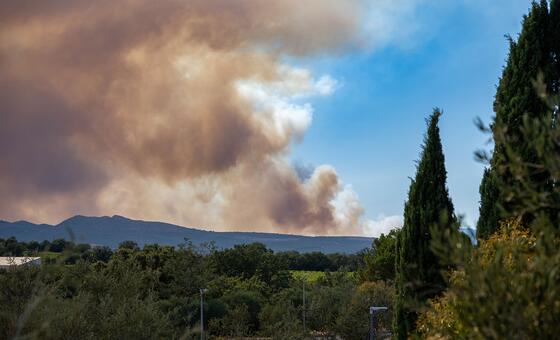
July 2026 ranked as the second-hottest July on record globally, with ocean surface temperatures reaching an all-time high for the month. The WMO reports extreme heat, drought, wildfires, and floods are causing widespread damage to communities, economies, and ecosystems worldwide.
Last month wasn't just another hot July. It was the second-warmest July ever recorded on a global scale, and ocean surface temperatures hit an all-time high for that month. That's not a small detail—it's a flashing warning sign that our climate system is shifting in ways we're only beginning to understand.
The World Meteorological Organization (WMO) released these findings today, and the numbers are hard to ignore. Extreme heat, drought, wildfires, and floods are no longer rare events happening somewhere far away. They're here, they're frequent, and they're costing lives, money, and ecosystems across the globe.
### What the Data Actually Shows
The WMO's report paints a clear picture: July 2026 was a month of extremes. While it didn't quite dethrone the hottest July on record, it came dangerously close. But here's the kicker—ocean surface temperatures didn't just come close. They broke the record entirely.
Why does that matter? Because warmer oceans act like fuel for the atmosphere. They drive stronger storms, more intense heatwaves, and longer dry spells. When the ocean runs hot, everything else follows suit.
Some key takeaways from the report:
- Global air temperatures were nearly 1.5°F above the 20th-century average for July
- Ocean surface temps were the highest ever recorded for that month
- Multiple regions experienced prolonged heatwaves lasting two weeks or longer
- Wildfire activity in North America and Europe was above seasonal norms
### The Human and Economic Toll
Let's talk about what these numbers really mean for people. In the United States alone, extreme heat events cost billions of dollars each year in lost productivity, healthcare expenses, and infrastructure damage. And that's just the direct costs.
Farmers are watching crops wither in fields that should be lush. City dwellers are grappling with higher cooling bills and dangerous air quality from wildfire smoke. Coastal communities are facing the double whammy of rising sea levels and warmer, more acidic waters that harm fisheries.
The WMO notes that these aren't isolated incidents. They're part of a pattern that's been building for decades. And while the report doesn't sugarcoat the situation, it also highlights how better forecasting and early warning systems have saved countless lives compared to previous decades.
### What This Means for the Rest of 2026
Here's the part that should grab your attention: July's records often set the stage for what's to come. A warm ocean in July can mean a more active hurricane season in the Atlantic. It can mean prolonged drought conditions in the West. It can mean that fall harvests come up short.
Meteorologists are already watching several indicators closely. If ocean temperatures stay elevated into August and September, we could see more extreme weather events before the year is out.
### Why You Should Care
You might be thinking, "Okay, so it was a hot month. What can I actually do about it?" That's a fair question. The honest answer is that no single person can reverse these trends overnight. But understanding what's happening helps you make smarter decisions—whether that's preparing your home for extreme weather, supporting policies that reduce emissions, or simply being more mindful of your own energy use.
The WMO's report isn't just a warning. It's a call to pay attention. The climate is telling us something, and July 2026 was one of the loudest messages yet.