July 2026 Just Broke Global Heat Records—Here's What It Means
Eleanor Vance ·
Listen to this article~5 min
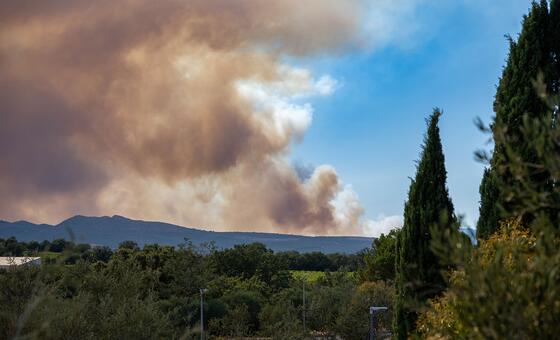
July 2026 became the second-hottest July on record, with ocean surface temperatures hitting all-time highs. The WMO warns extreme heat, drought, wildfires, and floods are causing severe damage worldwide.
Last month wasn't just another hot July. It went down as the second-hottest July ever recorded on a global scale, according to the World Meteorological Organization (WMO). And here's the kicker: the average temperature of the world's ocean surface hit an all-time high for the month, too. That's not a small deal—oceans absorb most of the heat we pump into the atmosphere, so when they run hot, everything else follows.
We're not just talking about a few uncomfortable days at the beach. Extreme heat, drought, wildfires, and floods are hammering communities, economies, and ecosystems across the planet. The WMO released this data today, and it's a stark reminder that climate change isn't a distant threat—it's happening right now, in real time.
### Why Ocean Temperatures Matter More Than You Think
When ocean surface temperatures spike, it's like the planet's thermostat gets stuck. Warmer oceans fuel stronger storms, disrupt marine life, and accelerate sea-level rise. This July, the ocean surface temperature reached a record-breaking level for the month, which means more energy in the system for hurricanes and typhoons. It also messes with fisheries, which millions of people depend on for food and income.
Think of the ocean as a giant battery that stores heat. The hotter it gets, the more it releases back into the atmosphere, creating a feedback loop that's hard to break. Scientists have been warning about this for decades, but the data keeps coming in worse than expected.
### The Human Toll: Heat, Drought, and Fire
The WMO report highlights that extreme heat and drought are causing serious damage worldwide. In the United States, we've seen record-breaking temperatures in several regions, pushing power grids to the brink and making outdoor work dangerous. Wildfires are becoming more frequent and intense, especially in the West, where dry conditions turn forests into tinderboxes.
Here's a quick rundown of what we're seeing:
- **Heat waves** that last longer and hit harder, especially in urban areas where concrete traps heat.
- **Droughts** that dry up reservoirs, hurting agriculture and driving up food prices.
- **Wildfires** that destroy homes, wildlife habitats, and air quality, sometimes thousands of miles away.
- **Floods** that overwhelm drainage systems, causing property damage and displacing families.
These aren't isolated incidents. They're interconnected, and they're hitting the most vulnerable communities hardest. Low-income neighborhoods often lack green spaces and air conditioning, making heat waves deadlier. Farmers in the Midwest are watching crops wither, which could mean higher grocery bills for everyone.
### What the WMO Is Saying
The World Meteorological Organization isn't just reporting numbers—they're calling for action. Their message is clear: we need to adapt to a hotter world while also cutting emissions to slow the warming. The organization stresses that every fraction of a degree matters, and that investments in early warning systems and climate-resilient infrastructure are crucial.
"The alarming trends we're seeing in July are a wake-up call," said a WMO spokesperson in today's briefing. "We can't afford to treat these records as anomalies. They're the new normal unless we change course."
### What You Can Do About It
It's easy to feel helpless when the news is full of climate disasters. But there are practical steps you can take, both individually and as part of your community:
- **Stay informed** about local weather alerts and heat advisories, especially during summer months.
- **Reduce your energy use** by using fans instead of AC when possible, and unplugging electronics you're not using.
- **Support policies** that invest in renewable energy, public transit, and climate adaptation measures.
- **Check on neighbors** who are elderly or live alone during heat waves—it can save lives.
No single action will solve the climate crisis, but collective effort matters. The records we're breaking today aren't just statistics—they're a signal that we need to act with more urgency.
### Looking Ahead
As we move through the rest of 2026, scientists expect more temperature records to fall. The WMO will continue to monitor the situation and release updates, but the trajectory is clear: we're in for a hotter, more unpredictable future unless we make serious changes now.
For now, the takeaway is simple: July 2026 was a month that rewrote the history books, and it's a preview of what's to come if we don't take climate action seriously. Stay cool, stay aware, and stay engaged. The planet needs all of us.